Table of Contents
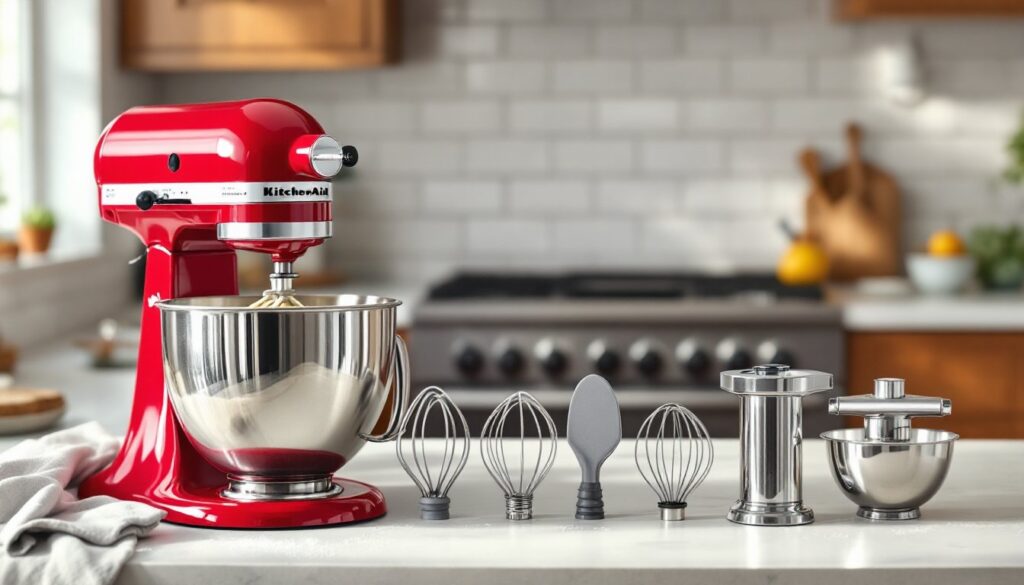
ToggleA KitchenAid stand mixer is only as good as its attachments. While the machine itself is built to last decades, swapping out the flat mixing paddle for a spiral dough hook or wire whip transforms what you can accomplish in your kitchen. Whether you’re a bread baker, pasta maker, or someone who just wants to stop using an electric hand mixer for everything, understanding each attachment’s purpose and best use case will save you time and frustration. This guide walks you through the core KitchenAid mixer attachments, explains what each one does best, and shows you how to optimize your workflow in the kitchen.
Key Takeaways
- The coated flat mixing paddle is your everyday workhorse for batters, doughs, and creamed ingredients, using a figure-eight motion to incorporate ingredients evenly without over-mixing.
- The spiral dough hook cuts hand-kneading time from 15 minutes to under 4 minutes by mechanically developing gluten structure, making weeknight bread baking practical and realistic.
- The wire whip attachment transforms heavy cream into whipped cream in seconds and creates light, fluffy buttercream frosting by incorporating air at high speeds (4-6), but requires close monitoring to prevent over-whipping.
- KitchenAid mixer attachments like the pasta maker, food grinder, shredder, and slicer roller eliminate the need for separate appliances and expand your kitchen capabilities when matched to the right task.
- Proper maintenance—hand-washing immediately after use, storing flat in a drawer, and following your mixer model’s manual—ensures KitchenAid mixer attachments outlast most kitchen equipment by decades.
Coated Flat Mixing Paddle
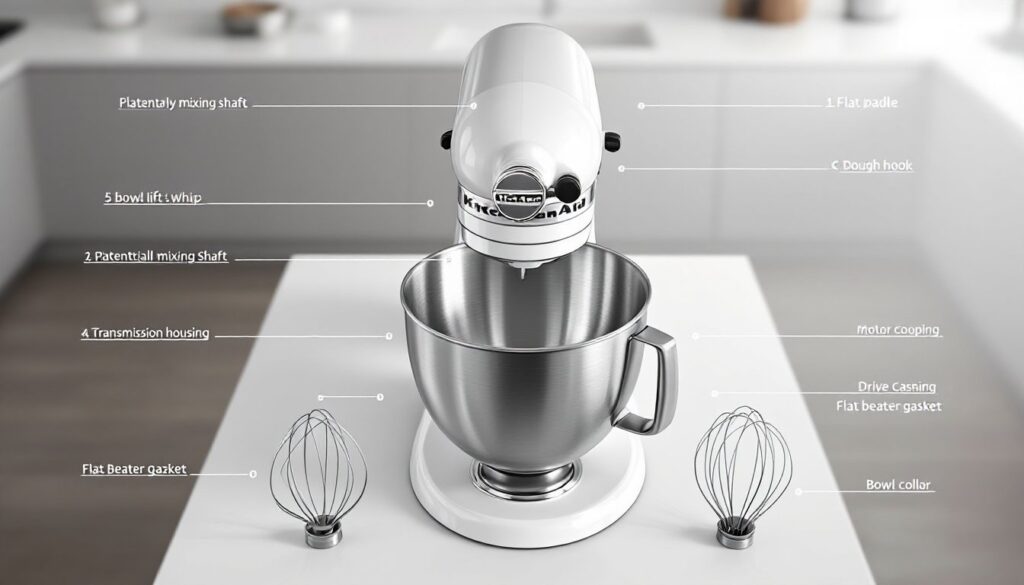
The coated flat mixing paddle (sometimes called the flat beater) is what comes standard with most KitchenAid mixers. It’s your workhorse for everyday mixing tasks. The paddle moves around the bowl in a figure-eight motion, scraping the sides as it goes, which is why it’s so effective at incorporating ingredients evenly without over-mixing.
Use the flat paddle for batters, cookie doughs, cake mixes, and creamed butter and sugar. If you’re making brownies, cupcakes, or mixing ground meat for meatballs, this is your attachment. The coated design prevents scratches on the stainless-steel bowl and keeps metal shavings out of your food, a detail that matters if you run your mixer often.
The paddle is less aggressive than a whip, so ingredients fold together gradually. This makes it ideal when you don’t want to overwork gluten development or over-aerate a mixture. Set it to speed 1 or 2 for thick batters and 3 to 4 for looser mixes. Most recipes calling for a mixer without specifying an attachment assume you’re using the flat paddle.
Spiral Dough Hook
The spiral dough hook is built for kneading bread, pizza dough, and any stiff dough. Unlike hand-kneading, which requires repetitive folding and pressing, the spiral hook mimics this motion mechanically, developing gluten structure without your hands getting sticky.
Bread doughs need about 8 to 10 minutes at speed 2. Stand there and watch, if the dough climbs up the hook’s spiral, stop and push it down. If your dough is too wet or too dry, the mixer will struggle and potentially overheat, so respect the dough’s consistency. For whole wheat or rye breads, which are tighter, start at a lower speed and increase gradually.
The spiral hook works best with doughs that contain 3 to 5 cups of flour. Anything lighter belongs under the flat paddle: anything heavier strains the motor. A properly kneaded dough should pull away cleanly from the bowl’s sides and feel smooth and elastic when you’re done. Time-saving tip: The dough hook cuts your hand-kneading time from 15 minutes to less than a quarter of that, making weeknight bread realistic instead of weekend-only.
Wire Whip Attachment
The wire whip is for whipping air into things. Whipped cream, meringue, egg whites, and chiffon cakes all rely on the whip’s aggressive incorporation of air to create volume. Use speeds 4 to 6 with the whip, and monitor closely, over-whipping egg whites turns them grainy and separates the proteins, while over-whipped cream turns to butter.
For whipped cream, start with cold heavy cream and go until soft peaks form (cream holds a shape but tips curl over). Stop there. Another 30 seconds means you’re scraping scrambled butter out of the bowl. Egg whites for meringue need stiff peaks (straight-up tips that don’t bend), but that’s only a couple more seconds of mixing once soft peaks appear.
The whip is also excellent for making buttercream frosting, where you’re beating butter and powdered sugar together. The whip’s wire structure creates tiny air pockets in the frosting, making it lighter and easier to spread. Never use the whip for heavy doughs, you’ll bend the wires or damage the motor. Stick to liquids and light, fluffy mixtures.
Pasta Maker and Food Grinder Attachments
KitchenAid offers pasta maker and food grinder attachments that clip onto the mixer’s power outlet. The pasta maker extrudes dough through various die shapes, fettuccine, penne, and rigatoni among them, while the grinder handles meat, vegetables, and nuts.
For pasta, make your dough with the flat paddle first (typically a standard Italian egg pasta: 3 cups flour, 5 eggs). Once the dough forms a ball, it needs to rest 30 minutes before going through the pasta maker. The machine does the extrusion work automatically: you feed dough in and guide the output. Fresh pasta cooks in 2 to 3 minutes, far faster than dried.
The food grinder attachment is ideal for grinding meat for sausage, burgers, or meatloaf. Freeze your meat cubes for 15 to 20 minutes first, cold meat grinds cleanly without smearing. For vegetables, make sure they’re prepared small enough to fit the feed tube, and don’t overload it or you’ll jam the mechanism. Some people use the grinder for nuts and chocolate, though a food processor often handles that task faster for small quantities.
Shredder and Slicer Roller Attachments
The shredder and slicer roller attachments replace the grinder bowl and handle raw vegetables and cheese. These are game-changers if you grate cheese or slice vegetables regularly, they reduce hand effort dramatically and produce uniform results.
For cheese, use room-temperature cheese (cold cheese clogs, warm cheese turns to paste). Hard cheeses like Parmesan work best, though you can shred semi-firm cheeses. The shredder blade produces fine, fluffy strands perfect for Mac and cheese or topping tacos.
The slicer blade works beautifully for potatoes (thin-slicing before potato gratin), onions, and cabbage. The thickness is consistent, which matters for even cooking. Feed vegetables vertically down the feed tube to minimize waste.
Optimizing Attachment Use for Best Results
Always secure the bowl before attaching or removing anything, even though it feels obvious after the first hundred times. Read the manual for your mixer model, older KitchenAid stand mixers have different power outlet designs than newer ones, which affects which attachments fit.
Clean attachments immediately after use. Dough hardens fast, and dried pasta clogs the extruder. Most bowl and beater attachments are not dishwasher safe even though claims otherwise: hand-wash in hot soapy water and dry completely. Store them flat in a drawer, not hanging, to prevent warping.
Rotate your recipes seasonally. Summer calls for the grinder attachment (fresh ground lamb for kebabs) and slicer (tons of vegetables). Winter is bread-baking season with the dough hook. Spring baking means the flat paddle for cakes and cookies. Resources like Better Homes & Gardens and Martha Stewart offer seasonal recipes that naturally pair with different attachments, helping you build a rhythm.
Conclusion
A KitchenAid stand mixer is an investment that pays dividends when you match the right attachment to the task. The flat paddle handles everyday mixing, the dough hook frees you from hand-kneading, and the whip creates volume in seconds. Optional attachments like the grinder and pasta maker expand what’s possible without needing separate appliances. Treat these tools seriously, use them correctly, clean them promptly, and they’ll outlast most of your other kitchen equipment by decades.