Table of Contents
ToggleDealing with a neighbor’s security camera pointed at your property is frustrating, and more common than you’d think. Whether it’s overlooking your deck, bedroom window, or backyard, unwanted surveillance creates privacy concerns that can escalate into legal disputes. The good news: there are practical, legitimate ways to block your neighbor’s security camera without inviting lawsuits or neighborhood feuds. This guide walks you through legal solutions that protect your privacy while staying on the right side of property law.
Key Takeaways
- Understand your local privacy laws before taking action to block a neighbor’s security camera, as regulations vary significantly by state and may require documentation of the camera’s angle and intent.
- Physical barriers like privacy fencing (6–8 feet tall) and tall hedges are the most straightforward and legally defensible methods to block unwanted surveillance.
- Window coverings (blackout curtains, privacy film) and outdoor privacy screens offer temporary, non-confrontational solutions that protect your space without direct confrontation.
- A calm, factual conversation with your neighbor often resolves the issue, as many camera installations are unintentional privacy violations easily corrected by repositioning.
- If direct communication fails, explore free mediation services or consult a local attorney, ensuring you document everything (photos, emails, evidence) before pursuing legal remedies.
Understand Your Legal Rights Before Taking Action
Before installing barriers or confronting your neighbor, know where you stand legally. Privacy laws vary significantly by state and locality, but most jurisdictions recognize a reasonable expectation of privacy on your own property, especially inside your home. But, what constitutes a violation depends on whether the camera captures just your property line or actively records your private spaces.
Key distinction: a camera viewing your driveway or side yard is usually legal: one pointed directly into a bedroom or bathroom is not. Some states have strict anti-surveillance laws, while others focus on intent (did your neighbor aim it deliberately at you, or is it part of a broader security setup?). Check your local ordinances or consult with a property attorney before acting, especially if you’re considering confrontation. Many municipalities require permits for outdoor surveillance, and some have explicit rules about camera angles and neighbor notification. Document everything, take dated photos and video recordings of the camera’s angle and what it captures, in case you need evidence later.
Install Privacy Fencing or Landscaping Barriers
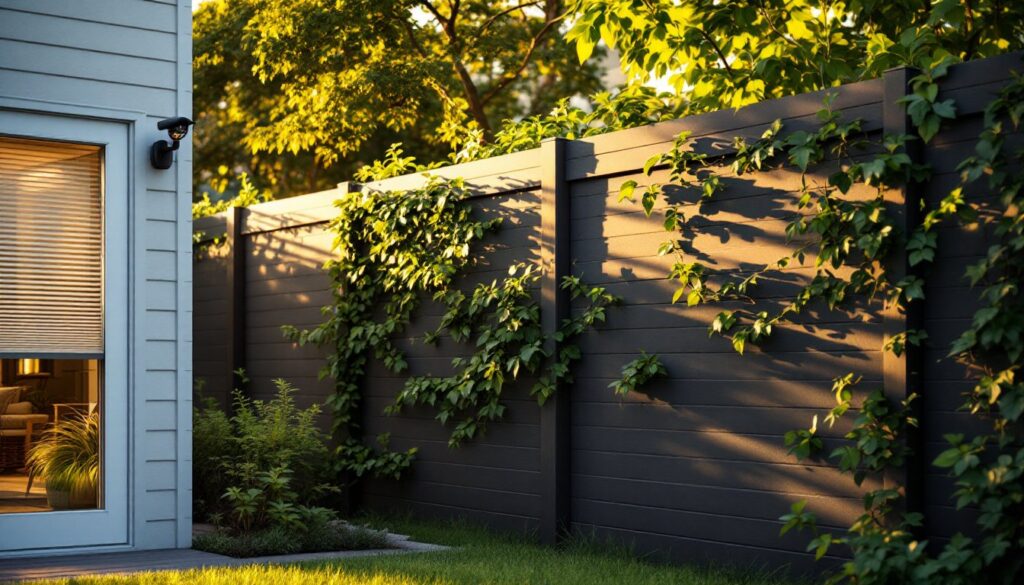
Physical barriers are the most straightforward solution and often the most effective. A privacy fence, hedge, or combination of both creates a visible, permanent boundary that blocks sightlines without legal ambiguity.
Fencing options:
- Wood privacy fences (6–8 ft tall, typically 1-inch nominal boards with no gaps)
- Vinyl privacy panels (lower maintenance, longer lifespan than wood)
- Metal privacy screens or slats (aluminum or steel, weather-resistant)
- Composite or recycled plastic materials
Check local building codes before installation, many jurisdictions limit fence height to 6 feet in side yards and require setback distances from property lines (usually 6–12 inches). Tall hedges (arborvitae, bamboo, or laurel) work well alongside or instead of fencing and often don’t require permits if they’re under 6 feet. If your camera issue is temporary or you’re renting, dense shrubs on your side of the property can achieve the same privacy without structural installation.
Key consideration: fencing is a visible statement of disagreement. If you want to avoid neighborhood tension, start with landscaping or less obvious privacy screens. If the camera is egregious or directly violates privacy, fencing sends a clear, defensible message.
Use Window Coverings and Outdoor Privacy Screens
For areas the camera can actually see into, windows, patios, deck seating, targeted privacy solutions work without full-scale fencing.
Indoor options:
- Blackout curtains or cellular shades (block 99% of light and visibility)
- Privacy film on windows (frosted, tinted, or decorative patterns)
- Venetian or roller blinds adjusted to block sight lines
Outdoor privacy screens:
- Portable privacy panels or lattice screens (movable, non-permanent)
- Shade cloth or burlap screens (affordable, removable)
- Retractable privacy screens on decks or patios
- Outdoor curtains or drapes (weather-resistant fabrics)
These work well for temporary situations and don’t require permits. Window privacy film is especially useful, it’s installed on your side of the glass, improves insulation, and doesn’t look hostile from the street. Outdoor screens can be camouflaged with climbing vines or positioned as decorative elements. The advantage here: you’re protecting your space without directly blocking the neighbor’s camera, so it’s less likely to provoke confrontation.
Install Your Own Security Cameras Strategically
A counterintuitive approach: install your own cameras with a clear, mutual understanding. If your neighbor knows you’ve set up surveillance of your own property, especially if positioned to monitor their camera or the shared property line, it sends a message that you’re serious about security and boundary protection. This often deters them from pushing further.
But, follow the golden rule: don’t aim your camera at their property, inside their home, or in any direction that could invade their privacy. Position cameras to monitor your own driveway, yard, and deck. Modern security systems from companies with strong smart home technology reviews offer features like motion alerts, cloud storage, and mobile app access, useful for documenting the neighbor’s camera behavior if it becomes a legal issue.
Consider hardwired systems (less maintenance, always powered) over battery-powered options for outdoor installations. Document the angles and coverage zones, this becomes important evidence if you file a complaint with local authorities. The psychological effect of mutual cameras can sometimes resolve disputes before they escalate, as both parties recognize the other is serious about boundaries.
Communicate With Your Neighbor About the Camera
Before installing barriers or escalating, a direct conversation often works, if approached carefully. Some neighbors simply don’t realize their camera’s angle is problematic: others installed it with good intentions (deterring package theft, monitoring their property) without thinking through privacy impacts.
Approach the conversation factually and without accusation. Say something like: “I noticed your camera pointed toward my bedroom window. I’m concerned about privacy. Can we adjust the angle?” This opens dialogue without assigning blame. Avoid accusations like “You’re spying on me” or threats: they trigger defensiveness and make resolution harder.
If your neighbor is reasonable, they may reposition the camera, adjust the angle, or agree to privacy agreements. Get any agreement in writing, a simple email documenting the conversation and the solution prevents future disputes. If they’re dismissive or hostile, this conversation documents your good-faith effort, which matters if you later involve authorities or lawyers. Stay calm and professional. Hostility poisons the entire neighborhood dynamic and makes future conflicts more likely.
Explore Mediation and Legal Remedies
If direct conversation fails, mediation offers a neutral path before litigation. Many communities provide free or low-cost neighbor mediation services through local governments or community organizations. A mediator helps both parties find common ground without lawyers or court costs.
If mediation doesn’t work, legal remedies depend on your jurisdiction and the camera’s actual impact on your privacy. Some states recognize claims for invasion of privacy, tortious interference, or violation of reasonable privacy expectations. Others focus on trespassing (if the camera is positioned beyond the neighbor’s property) or stalking (if paired with other harassing behavior). Consulting a local attorney is essential, they understand your state’s specific laws and can advise whether a cease-and-desist letter, formal complaint, or lawsuit has merit.
Documentation is critical here: photos of the camera and its angle, emails or written records of conversations, and evidence of what the camera actually captures strengthen any legal claim. The legal methods and practical outlined by home improvement resources often reference similar evidentiary needs. If the situation involves harassment, threats, or repeated violations of privacy, contact local law enforcement or code enforcement. Many jurisdictions have ordinances against surveillance that violates reasonable privacy, and inspectors can issue citations or demand compliance.
Conclusion
Blocking a neighbor’s security camera doesn’t require escalation or aggression, it requires strategy, documentation, and knowing your rights. Start with the least confrontational approach (communication, landscaping, window coverings) and escalate only if necessary. Physical barriers like privacy fences are legally solid and often permanent solutions. Legal remedies and mediation exist if the situation becomes serious. Stay calm, document everything, and remember: most neighbor disputes come down to simple misunderstandings. A reasonable conversation often resolves the issue before you need lawyers or fences.