Table of Contents
ToggleLearning how to smart home tech can feel overwhelming at first. There are dozens of devices, multiple ecosystems, and endless setup options. But here’s the good news: getting started is simpler than most people think.
Smart home technology has moved far beyond early-adopter territory. In 2024, over 60% of U.S. households owned at least one smart device. The market continues to grow because these devices genuinely save time, reduce energy costs, and add convenience to daily life.
This guide breaks down everything beginners need to know. It covers the basics of smart home tech, helps readers choose the right ecosystem, and walks through setup step by step. By the end, anyone can start building a connected home with confidence.
Key Takeaways
- Smart home tech relies on three core components: smart devices, a hub or controller, and control interfaces like apps or voice assistants.
- Choose one ecosystem—Amazon Alexa, Google Home, or Apple HomeKit—and stick with it to avoid compatibility issues.
- Start with essential devices like a smart speaker, smart lighting, thermostat, and video doorbell before expanding your setup.
- A strong Wi-Fi network with a modern router is the foundation of reliable smart home tech performance.
- Use automation routines to connect individual devices into a seamless, cohesive smart home experience.
- Prioritize Matter-compatible devices for better cross-platform flexibility and future-proof your smart home investments.
Understanding Smart Home Technology Basics
Smart home technology connects everyday devices to the internet. These devices communicate with each other and with users through apps, voice commands, or automated routines.
At its core, smart home tech relies on three components:
- Smart devices: These include lights, thermostats, locks, cameras, and speakers. Each device performs a specific function and connects to a central hub or directly to Wi-Fi.
- A hub or controller: Some systems require a central hub that manages all connected devices. Others let devices connect independently through Wi-Fi or Bluetooth.
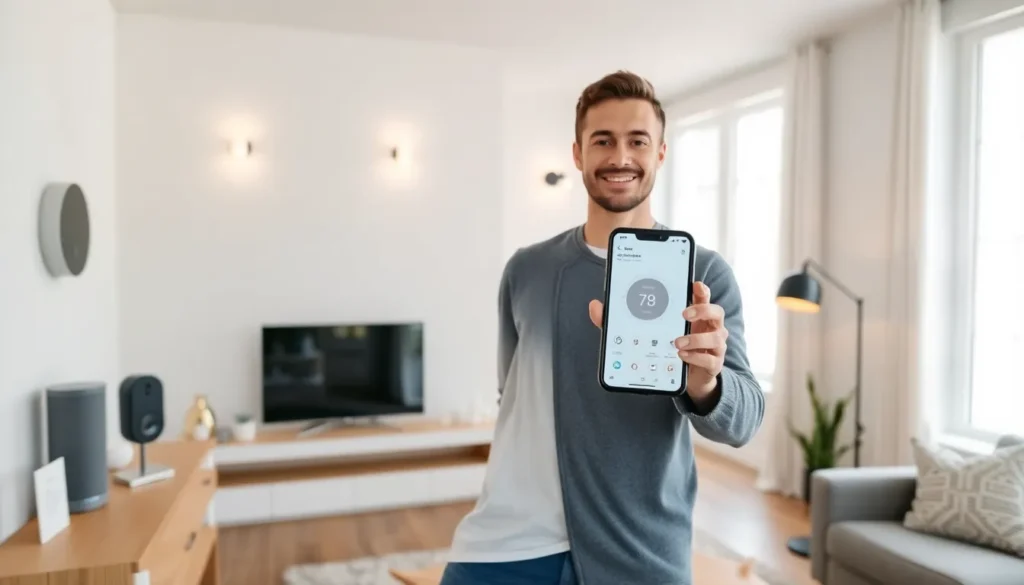
- Control interfaces: Users manage their smart home tech through smartphone apps, voice assistants (like Alexa, Google Assistant, or Siri), or physical controls.
The magic happens when these elements work together. A motion sensor can trigger lights to turn on. A thermostat can learn daily schedules and adjust temperatures automatically. A doorbell camera can send alerts when someone approaches.
Smart home tech also uses protocols, the “languages” devices speak to communicate. Common protocols include Wi-Fi, Zigbee, Z-Wave, Thread, and Matter. Matter is the newest standard, and it promises better compatibility across different brands. Understanding these basics helps users make smarter purchasing decisions later.
Choosing the Right Smart Home Ecosystem
An ecosystem determines which devices work together and how users control them. The three major ecosystems dominate the market: Amazon Alexa, Google Home, and Apple HomeKit.
Amazon Alexa
Alexa offers the widest device compatibility. It works with thousands of third-party products and provides affordable entry points through Echo devices. Alexa excels at voice control and has strong routine-building features. It’s ideal for users who want maximum flexibility.
Google Home
Google Home integrates tightly with Google services like Calendar, Maps, and Search. Its voice assistant handles natural language particularly well. Google Nest devices form the hardware backbone. This ecosystem suits users already invested in Google’s apps and services.
Apple HomeKit
HomeKit prioritizes privacy and security. It requires devices to meet Apple’s certification standards, which limits options but ensures quality. HomeKit works seamlessly with iPhones, iPads, and Macs. It’s the best choice for households committed to Apple products.
Here’s a practical tip: pick one ecosystem and stick with it. Mixing ecosystems creates compatibility headaches. Before buying any smart home tech, check that it supports the chosen platform. Most product listings clearly state compatibility.
Essential Smart Home Devices To Start With
Beginners don’t need to automate everything at once. Starting with a few key devices builds familiarity without overwhelming anyone.
Smart Speaker or Display
A smart speaker serves as the control center. Amazon Echo, Google Nest, or Apple HomePod Mini all work well. These devices respond to voice commands, play music, answer questions, and control other smart home tech. A smart display adds visual feedback, helpful for viewing camera feeds or following recipes.
Smart Lighting
Smart bulbs or switches offer immediate, visible results. Philips Hue, LIFX, and Wyze make popular options at various price points. Users can dim lights, change colors, set schedules, and create scenes. Smart lighting also saves energy by turning off automatically when rooms are empty.
Smart Thermostat
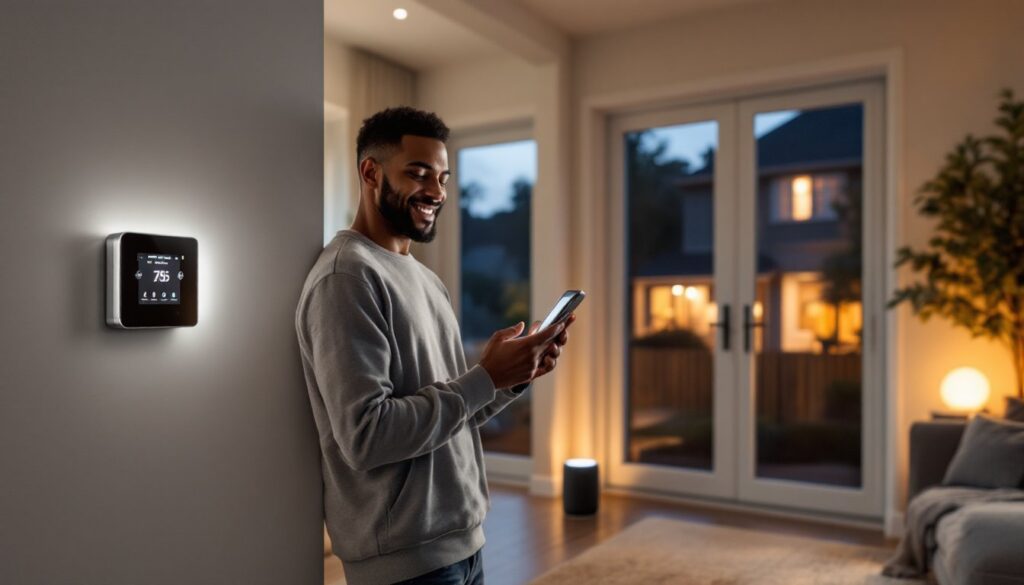
A smart thermostat reduces heating and cooling costs. Devices like the Nest Learning Thermostat or Ecobee learn preferences over time. They adjust temperatures based on occupancy and weather conditions. Many utility companies offer rebates for smart thermostat installation.
Smart Plugs
Smart plugs convert any device into a smart device. Plug in a lamp, fan, or coffee maker, and it becomes controllable via app or voice. They’re inexpensive and require zero technical skill to install.
Video Doorbell
A video doorbell adds security and convenience. Ring, Nest, and Arlo offer reliable options. Users see who’s at the door from anywhere and can speak through two-way audio. Motion detection sends alerts for package deliveries or unexpected visitors.
Setting Up Your Smart Home Network
A reliable network forms the foundation of any smart home tech setup. Weak Wi-Fi causes dropped connections, slow responses, and frustration.
Upgrade the Router
Older routers struggle with multiple connected devices. A modern Wi-Fi 6 or Wi-Fi 6E router handles smart home traffic much better. Mesh systems like Eero, Google Nest WiFi, or Orbi eliminate dead zones in larger homes.
Create a Separate Network
Many routers allow users to create a guest network. Placing smart home tech on a separate network improves security. If a smart device gets compromised, the main network stays protected. This approach also reduces congestion on the primary network.
Position the Router Centrally
Router placement matters. A central location provides better coverage throughout the home. Avoid placing routers near thick walls, metal objects, or appliances that cause interference.
Check Bandwidth Requirements
Some devices need more bandwidth than others. Security cameras streaming HD video consume significant data. Users with multiple cameras should confirm their internet plan supports the load. Most smart bulbs and sensors use minimal bandwidth.
Update Firmware Regularly
Routers and smart devices receive firmware updates that fix bugs and patch security holes. Enable automatic updates when possible. Check manually for updates at least quarterly.
Tips for Seamless Smart Home Integration
Getting devices to work together smoothly requires some planning. These tips help users avoid common pitfalls.
Start small and expand gradually. Adding too many devices at once leads to configuration chaos. Install one or two devices, learn how they work, then add more. This approach builds confidence and reveals preferences.
Use automation routines. Every major ecosystem supports routines, automated sequences triggered by time, location, or device activity. A “Good Morning” routine might turn on lights, start the coffee maker, and read the day’s weather forecast. Routines turn individual smart home tech into a cohesive system.
Label devices clearly. Give devices specific names like “Living Room Lamp” instead of generic ones like “Light 1.” Clear names make voice commands easier and prevent confusion in the app.
Group devices by room. Most apps let users organize devices into rooms. This organization simplifies control. Saying “turn off the bedroom” affects all bedroom devices at once.
Test voice commands out loud. What sounds natural in one’s head might confuse a voice assistant. Practice commands to find phrasing that works reliably.
Check for Matter compatibility. The Matter protocol launched in late 2022 and continues gaining support. Devices with Matter certification work across ecosystems. Buying Matter-compatible smart home tech provides flexibility for future changes.
Secure everything with strong passwords. Each device and app needs a unique, strong password. Enable two-factor authentication wherever available. Smart home tech connects to the internet, and security matters.