
Table of Contents
ToggleSmart home tech has transformed how people interact with their living spaces. Homeowners now control lighting, security, and climate with a simple voice command or smartphone tap. The global smart home market reached over $100 billion in 2024, and adoption rates continue to climb. This guide covers everything from basic concepts to practical setup tips. Readers will learn which devices matter most, what benefits they can expect, and how to start building their own connected home.
Key Takeaways
- Smart home tech lets you control lighting, security, and climate through voice commands or smartphone apps for ultimate convenience.
- Start your smart home journey by choosing one ecosystem—Amazon Alexa, Google Home, or Apple HomeKit—for seamless device coordination.
- Smart thermostats can save households around $50 annually on energy bills while learning your preferences automatically.
- Essential smart home devices include smart speakers, lighting, thermostats, security cameras, and affordable smart plugs.
- Look for Matter-compatible devices to ensure cross-platform support and future-proof your smart home setup.
- Secure your smart home tech with strong passwords, two-factor authentication, and regular firmware updates.
What Is Smart Home Technology?
Smart home technology refers to devices and systems that connect to the internet and communicate with each other. These products automate everyday tasks and give users remote control over their home environment.
A typical smart home tech setup includes a central hub or voice assistant that coordinates all connected devices. Popular options include Amazon Alexa, Google Home, and Apple HomeKit. These platforms let users issue voice commands, create schedules, and monitor their homes from anywhere.
The technology works through wireless protocols like Wi-Fi, Zigbee, Z-Wave, and Bluetooth. Each protocol has strengths. Wi-Fi offers broad compatibility but uses more power. Zigbee and Z-Wave consume less energy and handle large device networks well. Matter, a newer standard released in 2022, aims to unify these protocols under one compatible system.
Smart home tech ranges from simple plug-and-play gadgets to whole-home automation systems. A beginner might start with a smart speaker and a few connected bulbs. Advanced users build complete ecosystems that adjust lighting, temperature, and security based on time of day or occupancy patterns.
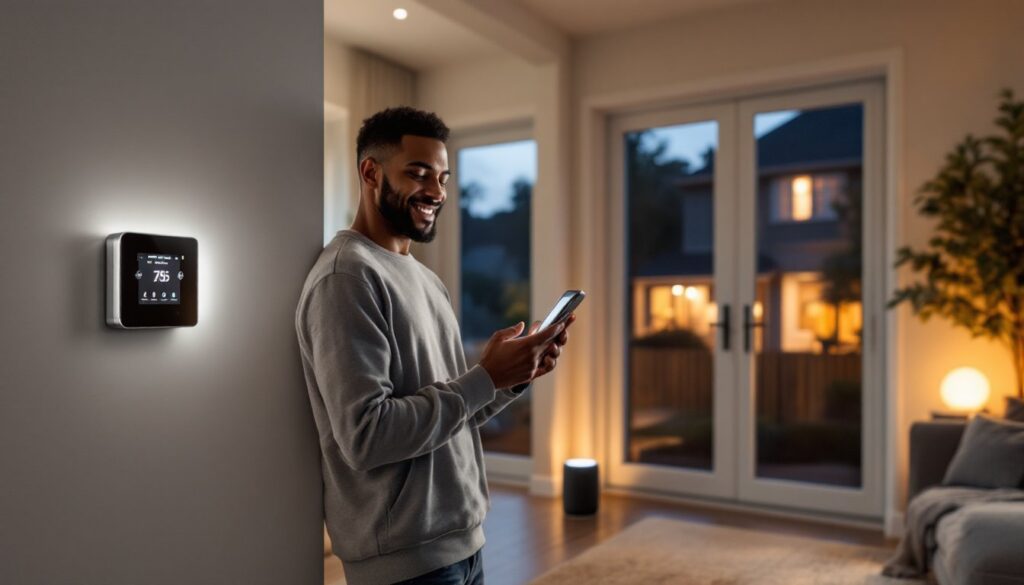
The key distinction between smart devices and traditional electronics is connectivity. A regular thermostat adjusts temperature manually. A smart thermostat learns user preferences, responds to voice commands, and sends energy reports to a phone app. That connectivity creates convenience and opens doors to automation.
Essential Smart Home Devices to Consider
Building a smart home tech ecosystem starts with choosing the right devices. Here are the most impactful categories:
Smart Speakers and Displays
Smart speakers serve as the command center for most connected homes. Amazon Echo, Google Nest, and Apple HomePod respond to voice commands and control other devices. Smart displays add screens for video calls, recipe viewing, and security camera feeds.
Smart Lighting
Smart bulbs and switches let users adjust brightness, color, and schedules. Philips Hue, LIFX, and Wyze offer popular options at different price points. Motion-activated lighting adds convenience and can reduce energy waste.
Smart Thermostats
Devices like Nest Learning Thermostat and Ecobee learn household patterns and adjust temperatures automatically. Many users report 10-15% savings on heating and cooling bills after installing smart thermostats.
Smart Security Systems
Video doorbells, smart locks, and security cameras give homeowners peace of mind. Ring, Arlo, and SimpliSafe dominate this category. Users can monitor live feeds, receive motion alerts, and grant access remotely.
Smart Plugs and Outlets
These affordable devices turn ordinary appliances into smart home tech. A smart plug can schedule a coffee maker, track energy usage on a space heater, or cut power to devices on standby.
Robot Vacuums and Appliances
Robot vacuums like Roomba and Roborock handle daily cleaning on autopilot. Smart refrigerators, ovens, and washing machines offer remote monitoring and control, though they remain pricier investments.
Benefits of a Connected Home
Smart home tech delivers real advantages beyond the novelty factor. Here’s what homeowners gain:
Convenience and Time Savings
Automation handles repetitive tasks. Lights turn on at sunset. The thermostat adjusts before residents arrive home. Voice commands replace manual switches. Small time savings add up across daily routines.
Energy Efficiency
Smart thermostats, lighting controls, and energy monitors help reduce utility bills. The U.S. Department of Energy estimates smart thermostats can save households around $50 annually on heating and cooling. Smart plugs identify energy-hogging devices.
Enhanced Security
Smart home tech provides 24/7 monitoring without monthly fees in many cases. Motion alerts, video recording, and remote lock control help deter intruders. Users can check camera feeds from work or vacation.
Accessibility
Voice control benefits everyone, but it’s especially valuable for people with mobility challenges. Smart home tech lets users operate lights, locks, and appliances without physical effort.
Peace of Mind
Did someone leave the garage door open? Is the oven still on? Smart home tech answers these questions with a quick app check. Water leak sensors and smoke detectors send instant alerts to prevent disasters.
Increased Home Value
Buyers increasingly expect modern homes to include smart features. Real estate studies show smart home tech can boost property values and attract more interest during sales.
How to Get Started With Smart Home Automation
Starting with smart home tech doesn’t require a big budget or technical expertise. Follow these steps to build a connected home:
Step 1: Choose an Ecosystem
Decide between Amazon Alexa, Google Home, or Apple HomeKit. Each platform has pros and cons. Alexa supports the widest range of devices. Google offers strong search integration. HomeKit prioritizes privacy and works best for Apple users. Stick with one ecosystem for smoother device coordination.
Step 2: Start Small
Begin with one or two devices that solve immediate needs. A smart speaker makes a good entry point. Add a smart plug or a few bulbs to experience automation firsthand. Resist the urge to buy everything at once.
Step 3: Ensure Strong Wi-Fi Coverage
Smart home tech relies on stable internet connections. Older routers may struggle with multiple connected devices. Consider a mesh Wi-Fi system for larger homes. Place the router centrally and away from interference sources.
Step 4: Prioritize Compatibility
Check that new devices work with the chosen ecosystem. Look for Matter compatibility when available, it ensures cross-platform support. Read reviews to spot connectivity issues before purchasing.
Step 5: Create Automations and Routines
The real power of smart home tech comes from routines. Set lights to dim at bedtime. Program the thermostat to lower when everyone leaves. Create a “good morning” routine that starts the coffee maker and reads the weather. These automations compound convenience over time.
Step 6: Address Security Basics
Use strong, unique passwords for all smart devices. Enable two-factor authentication where offered. Keep firmware updated. Separate smart devices on a guest Wi-Fi network to limit exposure if one device gets compromised.