Table of Contents
ToggleBottom freezer refrigerators have become a kitchen staple for homeowners who prioritize accessibility and ergonomic design. When it comes to premium appliances that combine style with functionality, the Jenn-Air bottom freezer refrigerator stands out as a thoughtful investment. These units position the freezer compartment below eye level, making fresh food storage more convenient while keeping frozen items within arm’s reach. Whether you’re renovating your kitchen or upgrading aging appliances, understanding what a Jenn-Air bottom freezer offers, from its engineering to real-world performance, helps you make an well-informed choice. This guide walks you through the features, benefits, and maintenance essentials to help you get the most out of your appliance.
Key Takeaways
- Jenn-Air bottom freezer refrigerators combine premium design with advanced cooling technology, featuring dual-cooling systems and precision climate control to keep food fresher while reducing energy waste.
- The bottom freezer placement eliminates back strain and makes fresh food storage more accessible at eye level, a major ergonomic advantage for everyday kitchen use.
- Modern Jenn-Air models are ENERGY STAR certified with LED lighting, Wi-Fi connectivity, and adjustable shelving, offering practical features that justify the investment over 5-10 years of ownership.
- Proper installation and maintenance—including cleaning condenser coils every 6-12 months, replacing water filters biannually, and inspecting door seals annually—are essential to maximize efficiency and lifespan.
- Jenn-Air bottom freezer refrigerators typically offer 20-30 cubic feet of capacity with customizable freezer-to-refrigerator ratios, allowing you to choose the right size based on your household’s storage needs and lifestyle.
What Makes Jenn-Air Bottom Freezer Refrigerators Stand Out
Premium Design and Build Quality
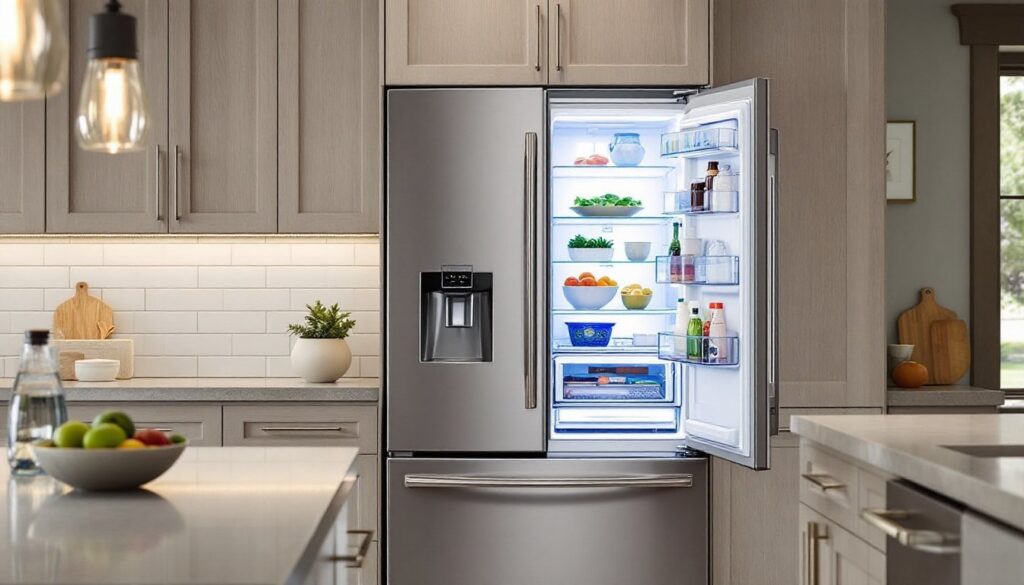
Jenn-Air has built its reputation on appliances that serve both function and form. Their bottom freezer models feature stainless steel construction, seamless integrated handles, and refined hardware that communicates quality without screaming for attention. The hinges are heavy-duty, the shelving is adjustable, and the finish resists fingerprints, details that matter in a kitchen where you spend real time.
These refrigerators often feature panel-ready doors, meaning you can match cabinetry finishes if you’re aiming for a cohesive kitchen design. The interior organization is thoughtful, too: spill-proof shelving, dedicated vegetable drawers with humidity control, and door storage designed to hold standard bottle and condiment sizes. Build quality translates to durability: Jenn-Air appliances typically come with warranties covering parts and labor for several years, though you should always review the specific terms.
Advanced Cooling Technology
The real hero of any refrigerator is its cooling system, and Jenn-Air invests here. Many of their bottom freezer models use dual-cooling systems that maintain independent temperatures for the refrigerator and freezer sections. This prevents odor transfer and keeps humidity balanced, no more stale-smelling ice or frost buildup from humid air.
Precision climate control is another standout feature. You’ll find models with electronic temperature management that uses sensors to adjust cooling cycles throughout the day. This keeps perishables fresher longer and reduces energy waste compared to older compressor-based systems. Some units even include fast-cool modes for rapidly chilling recently added groceries or beverages, which is genuinely useful when hosting or stocking up after a shopping trip.
Key Features You Should Know About
Modern Jenn-Air bottom freezer refrigerators pack features beyond basic cold storage. Many models include LED interior lighting, brighter and more energy-efficient than traditional bulbs, so you’re not hunting through dim shelves at night. The lighting typically illuminates all areas, including deep drawers and corners.
Water and ice dispensers are common, with options for filtered water, crushed ice, or cubed ice depending on the model. The filters are replaceable and should be swapped every six months or per the manufacturer’s recommendation to maintain water quality and prevent sediment buildup. Some units feature Wi-Fi connectivity and companion apps that let you monitor temperatures, receive alerts if the door is left open, or get filter replacement reminders, useful if you’re away from home frequently.
Adjustable shelving gives you flexibility to reconfigure interior space based on what you’re storing. The freezer drawer slides smoothly and usually opens fully, making it easier to access items in the back without climbing on tiptoes. Recent reviews of kitchen appliances highlight that accessibility matters more than most homeowners expect, and bottom freezer designs reduce strain on your back and knees.
Energy efficiency ratings vary by model. Most modern Jenn-Air units are ENERGY STAR certified, which means they consume less electricity than standard models, a real advantage if you’re keeping the refrigerator running 24/7 for years. Look for the EnergyGuide label, which estimates annual operating costs based on kWh consumption.
Choosing the Right Size and Capacity for Your Kitchen
Bottom freezer refrigerators come in standard widths, typically 24, 30, or 36 inches, and depths ranging from 28 to 34 inches. Measure your opening carefully, including height to the underside of any cabinetry above. Refrigerators need air clearance on the sides and back for ventilation: plan for at least 1 inch on each side and 2-3 inches behind the unit.
Capacity matters differently for different households. A 20-25 cubic foot model works well for families of four: 25-30 cubic feet suits larger families or those who prefer buying in bulk. The freezer-to-refrigerator ratio typically splits around 30-40% freezer and 60-70% fresh food space, but some models let you adjust this via movable dividers. Before buying, think about your actual usage: do you stock frozen vegetables, meats, and prepared meals, or do you rely on fresh produce year-round? Your lifestyle dictates which ratio serves you best.
Installation space is structural too. Make sure your kitchen’s flooring can support the appliance, refrigerators are heavy, ranging from 500 to 700+ pounds. If you have vintage hardwood or soft flooring, consider reinforcement. Check your electrical setup: most refrigerators require a dedicated 15-amp circuit, and if your kitchen’s electrical capacity is tight, a licensed electrician should assess it. According to comprehensive appliance guides, proper installation prevents electrical hazards and ensures warranty validity.
Maintenance Tips to Keep Your Refrigerator Running Efficiently
Preventive maintenance extends appliance life and prevents costly repairs. Start with the condenser coils, the metal fins on the back or bottom of the unit that dissipate heat. Dust and pet hair clog these coils, forcing the compressor to work harder and shortening its lifespan. Vacuum the coils every 6-12 months using a refrigerator coil brush or soft brush attachment. Unplug the unit first or flip the circuit breaker for safety.
Replace water filters every 6 months, or sooner if you notice reduced water pressure or off-taste. A clogged filter doesn’t just affect taste: it can damage the water inlet valve over time. The door seals, rubber gaskets that create an airtight barrier, should be inspected annually for cracks or deterioration. A failing seal lets warm air in, forcing the compressor to run constantly and hiking your energy bill. If the seal is damaged, it’s a straightforward replacement that most DIYers can handle: the gasket simply pops into a groove around the door frame.
Keep the freezer and refrigerator sections at the right temperatures: 35-38°F for the fridge, 0°F or below for the freezer. If your unit has adjustable shelving or drawers, avoid overloading: air circulation prevents hot spots. Clean spills immediately, food residue can harbor bacteria and odors. Periodically defrost the freezer if it’s a manual-defrost model, though most modern Jenn-Air units are frost-free and handle this automatically. Smart home and kitchen organization insights emphasize that organization supports efficiency, so resist cramming too much in.
Real-World Performance: What Owners Actually Experience
Bottom freezer refrigerators are praised for ergonomic convenience. Users report that the freezer placement eliminates the daily deep bend required with top-freezer models, a genuine relief for anyone with back or mobility concerns. The fresh food section at eye level means you spot items easily, reducing waste from forgotten leftovers.
But, real-world ownership brings practical considerations. The freezer drawer can feel cramped compared to top-freezer models, especially if you store bulk items or large frozen pizzas. Plan your freezer storage strategy when evaluating capacity. Some owners note that the bottom location, while convenient, can mean moisture accumulation if the door seals aren’t kept clean or if humidity levels spike. This isn’t a dealbreaker, it’s just a reminder that regular maintenance, as discussed earlier, truly matters.
Reliability trends are positive. Jenn-Air models generally perform well with minimal repair calls in the first 5-10 years of operation. When issues do arise, they typically involve water inlet valves or door mechanisms rather than compressor failure. Parts availability is good, and service technicians in most areas are familiar with the brand. Cost of ownership is reasonable if you keep up with maintenance: energy bills for modern Jenn-Air units are noticeably lower than older refrigerators, often paying back part of the purchase price over time. Many owners who upgrade report satisfaction, particularly if they were coming from a 10+ year old appliance with poor efficiency.