Table of Contents
ToggleSmart home tech transforms ordinary houses into connected, automated spaces. These devices communicate with each other and respond to voice commands, smartphone apps, or preset schedules. The concept sounds futuristic, but millions of households already use smart home technology daily.
This guide explains what smart home tech is, how it works, and why so many people are adopting it. Whether someone wants to control their thermostat from bed or receive alerts when a package arrives, smart home devices make it possible. By the end, readers will understand the basics and feel ready to start their own connected home journey.
Key Takeaways
- Smart home tech connects devices through Wi-Fi, Bluetooth, or specialized protocols, allowing control via voice assistants or smartphone apps.
- Popular smart home devices include speakers, thermostats, lighting, security systems, and plugs that automate daily tasks.
- Smart thermostats can save households 10-15% on heating and cooling costs annually according to the U.S. Department of Energy.
- Privacy risks, security vulnerabilities, and compatibility issues are important factors to consider before investing in smart home technology.
- Start your smart home journey by choosing one ecosystem (Alexa, Google, or Apple) and expanding gradually based on your actual needs.
- Creating automation routines—like bedtime sequences or away-from-home settings—maximizes the value of your smart home tech investment.
How Smart Home Technology Works
Smart home tech operates through a network of connected devices that communicate via Wi-Fi, Bluetooth, Zigbee, or Z-Wave protocols. Each device connects to a central hub or directly to a home network. This setup allows users to control everything from a single app or voice assistant.
At the core of smart home technology sits the concept of the Internet of Things (IoT). Devices contain sensors and processors that collect data, make decisions, and execute commands. A smart thermostat, for example, learns a household’s schedule and adjusts temperatures automatically.
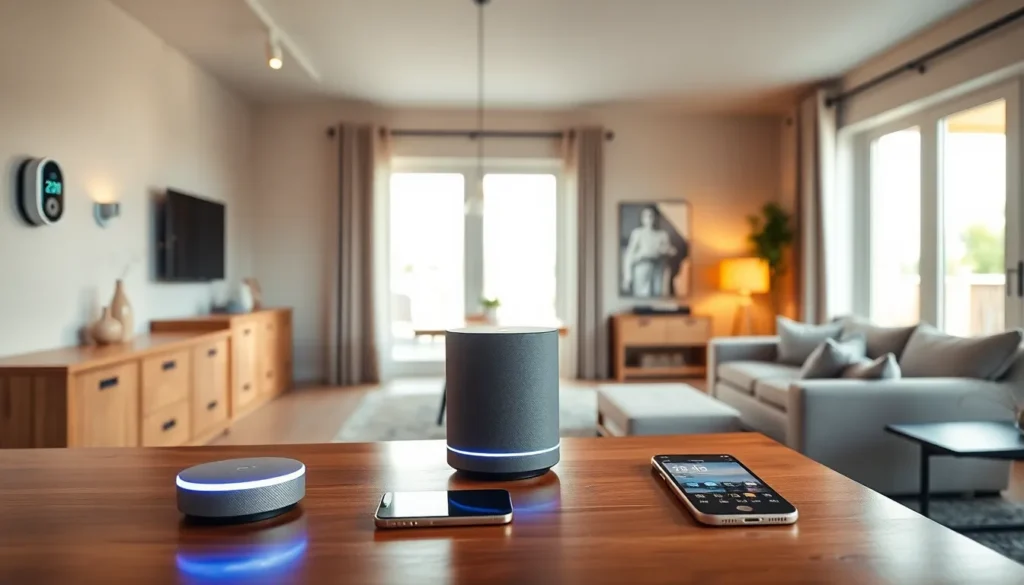
Voice assistants like Amazon Alexa, Google Assistant, and Apple Siri serve as popular control interfaces. Users simply speak commands, “Turn off the living room lights” or “Lock the front door”, and the system responds. Alternatively, smartphone apps provide remote access from anywhere with an internet connection.
Automation takes smart home tech further. Users can create routines that trigger multiple actions at once. Saying “Good night” might dim lights, lock doors, lower the thermostat, and arm the security system simultaneously. This level of integration makes smart home devices genuinely useful rather than just novel.
Common Types of Smart Home Devices
Smart home tech spans dozens of product categories. Here are the most popular options:
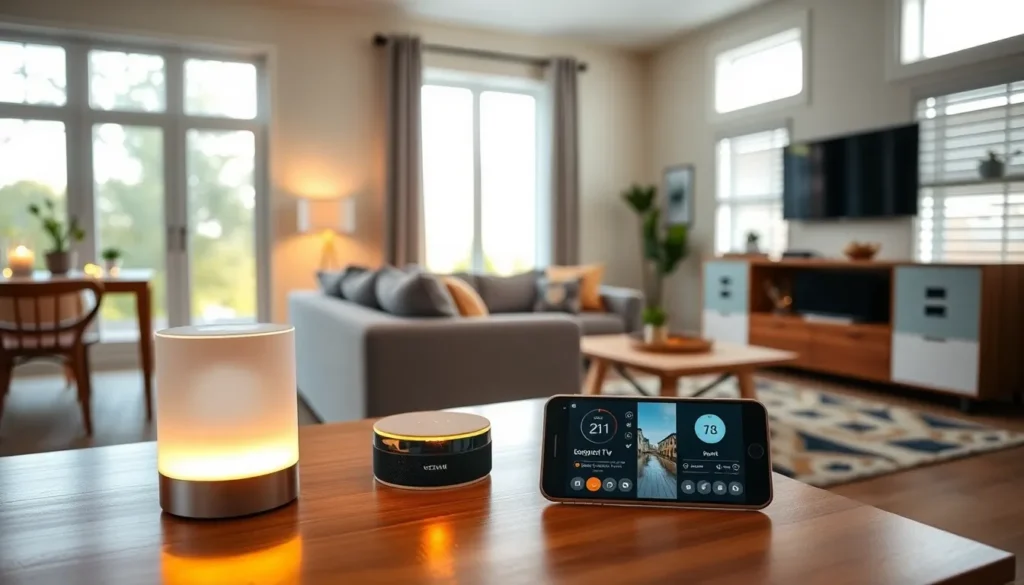
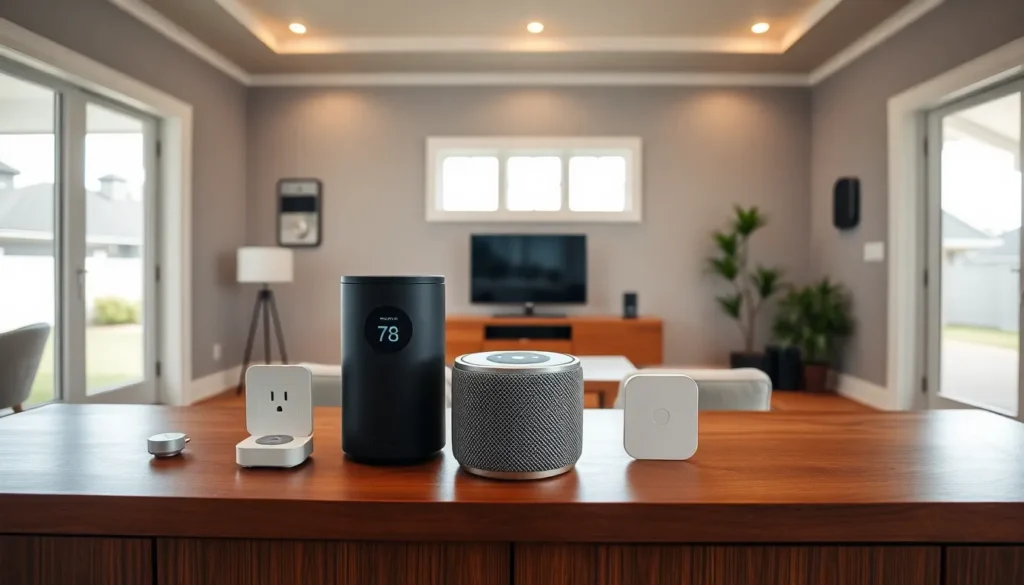
Smart Speakers and Displays, These serve as control centers for other devices. Amazon Echo and Google Nest are leading examples. They play music, answer questions, and execute voice commands for connected gadgets.
Smart Lighting, Bulbs and switches that users can control remotely or program to schedules. Philips Hue and LIFX offer color-changing options, while simpler models focus on dimming and scheduling.
Smart Thermostats, Devices like Nest and Ecobee learn preferences and optimize heating and cooling. Many users report noticeable energy savings after installation.
Smart Security Systems, Cameras, doorbells, locks, and sensors that monitor homes and send alerts. Ring, Arlo, and SimpliSafe dominate this category of smart home tech.
Smart Plugs, These turn ordinary appliances into connected devices. Plug a lamp or coffee maker into one, and it becomes controllable via app or voice.
Smart Appliances, Refrigerators, ovens, washers, and vacuums now come with connectivity features. Robot vacuums like Roomba exemplify how smart home technology handles routine chores automatically.
Benefits of Using Smart Home Tech
Smart home tech delivers practical advantages that go beyond convenience. Here’s what users gain:
Energy Efficiency, Smart thermostats and lighting systems reduce waste by operating only when needed. The U.S. Department of Energy estimates smart thermostats can save households 10-15% on heating and cooling costs annually.
Enhanced Security, Real-time alerts, remote monitoring, and automated locks give homeowners peace of mind. Smart cameras capture footage that can deter crime or provide evidence if incidents occur.
Convenience, Controlling multiple devices from one interface saves time and effort. Forgot to turn off the lights after leaving? A quick tap on a smartphone solves it.
Accessibility, Voice control helps people with mobility challenges manage their homes independently. Smart home tech can genuinely improve quality of life for elderly residents or those with disabilities.
Remote Monitoring, Check on pets, kids, or deliveries from anywhere. Smart home devices keep users connected to what matters even when they’re away.
These benefits explain why the smart home market continues growing rapidly year over year.
Potential Drawbacks to Consider
Smart home tech isn’t perfect. Buyers should weigh these concerns before investing:
Privacy Risks, Connected devices collect data about daily habits. Cameras and microphones in homes raise legitimate questions about who might access that information. Choosing reputable brands with strong privacy policies matters.
Security Vulnerabilities, Any internet-connected device can potentially be hacked. Weak passwords or outdated firmware create entry points for bad actors. Users must maintain their smart home tech with regular updates.
Compatibility Issues, Not all devices work together seamlessly. A smart home built around Alexa might not integrate well with HomeKit-only products. Checking compatibility before purchasing prevents frustration.
Reliability Concerns, Internet outages or server problems can render smart home devices temporarily useless. A smart lock that won’t open during a Wi-Fi outage creates real problems.
Cost, Quality smart home tech requires investment. While individual devices seem affordable, outfitting an entire home adds up quickly. Budget-conscious buyers should prioritize devices that deliver the most value.
These drawbacks don’t disqualify smart home technology, they simply require awareness and planning.
Getting Started With Your Smart Home
Building a smart home doesn’t require a complete overhaul. Most people start small and expand gradually. Here’s a practical approach:
Choose an Ecosystem, Pick a voice assistant platform (Alexa, Google, or Apple) and build around it. This decision affects which smart home tech integrates best with future purchases.
Start With High-Impact Devices, A smart speaker makes an excellent first purchase since it controls other devices. Smart bulbs or plugs offer low-cost entry points that demonstrate the technology’s potential.
Secure the Network, Use strong, unique passwords for every device. Enable two-factor authentication where available. Keep firmware updated. These steps protect smart home investments.
Expand Strategically, Add devices that solve specific problems or fill genuine needs. Want better security? Add a video doorbell. High energy bills? Try a smart thermostat. Let actual needs guide purchases rather than buying gadgets for novelty.
Create Useful Automations, Once multiple devices are connected, build routines that simplify daily life. Morning routines, bedtime sequences, and away-from-home settings maximize smart home tech’s value.
Patience pays off. A well-planned smart home grows more useful over time as devices work together.