
Table of Contents
ToggleSmart home tech vs traditional home systems is a decision many homeowners face today. Connected devices now control lighting, security, thermostats, and appliances in millions of households. Yet traditional systems remain popular for their simplicity and reliability. This guide compares both options across cost, convenience, security, and energy efficiency. By the end, readers will understand which approach fits their budget, lifestyle, and long-term goals.
Key Takeaways
- Smart home tech offers remote control, voice commands, and automation, while traditional systems provide simplicity and reliability without internet dependency.
- Traditional home systems have lower upfront costs, but smart home tech can reduce energy consumption by 20% to 30% over time.
- Smart devices introduce potential cybersecurity risks, whereas traditional locks and thermostats have no digital vulnerabilities.
- Smart thermostats and lighting systems can cut heating, cooling, and electricity bills by 10% to 15% annually according to Energy Star.
- A hybrid approach—combining smart thermostats and video doorbells with traditional switches and locks—offers the best balance of convenience and cost control.
- Your ideal choice in the smart home tech vs traditional debate depends on budget, tech comfort level, internet reliability, and household needs.
What Defines Smart Home Technology
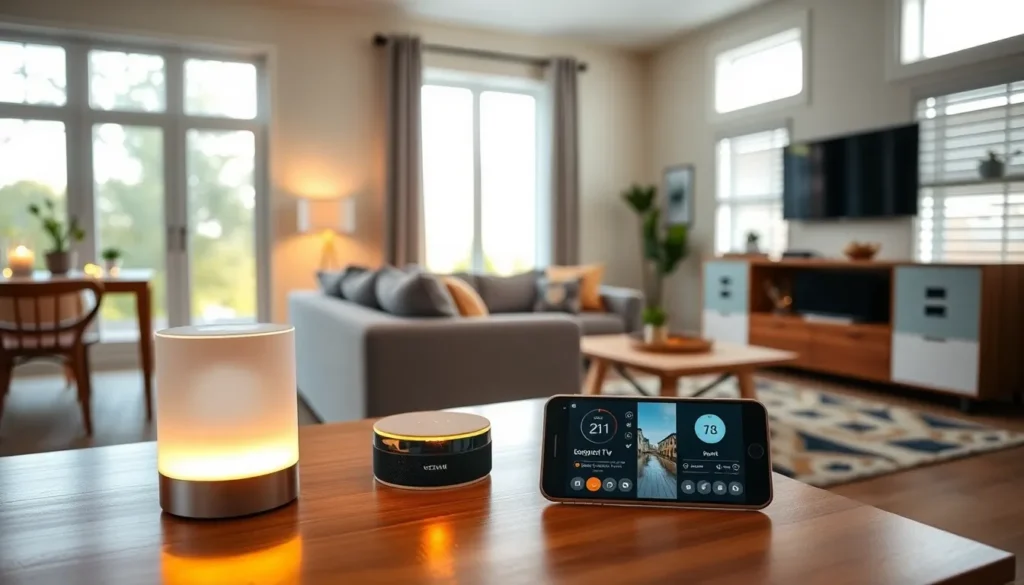
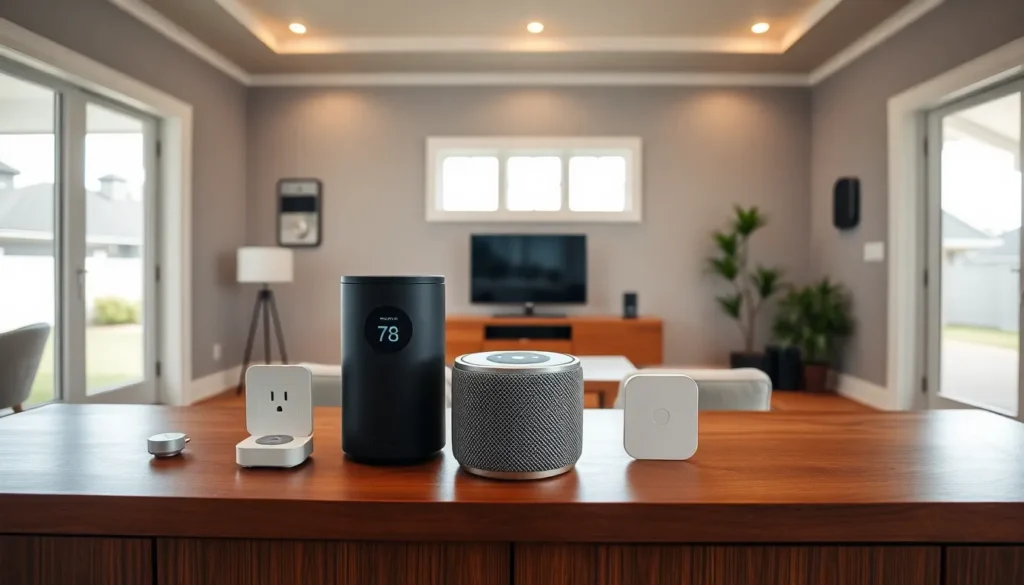
Smart home technology connects household devices through the internet. Homeowners control these devices using smartphones, voice assistants, or automated schedules. Common smart home tech includes thermostats, door locks, security cameras, lighting systems, and appliances.
The core feature of smart home tech is connectivity. Devices communicate with each other and with cloud-based platforms. This allows users to monitor their homes remotely. A homeowner can lock the front door from their office or adjust the thermostat while on vacation.
Voice control adds another layer of convenience. Amazon Alexa, Google Assistant, and Apple HomeKit let users issue verbal commands. Saying “turn off the lights” replaces flipping a switch. Automation takes this further. Smart systems can learn user habits and adjust settings automatically.
Smart home tech also generates data. Devices track energy usage, detect motion, and log activity. This information helps homeowners make informed decisions about their habits and spending. Some systems offer detailed reports showing exactly where energy goes each month.
How Traditional Home Systems Compare
Traditional home systems operate without internet connectivity. Light switches, thermostats, locks, and appliances function independently. Users interact with each device manually at its physical location.
Reliability is the main advantage of traditional systems. They don’t depend on Wi-Fi networks or cloud servers. A power outage affects both systems, but traditional devices resume normal function immediately when power returns. Smart devices sometimes require reconfiguration.
Traditional systems also present fewer security vulnerabilities. Smart home tech vs traditional setups differ significantly here. Connected devices can be targets for hackers. Traditional locks and thermostats have no digital attack surface.
Maintenance tends to be simpler with traditional equipment. A broken light switch requires basic replacement. A malfunctioning smart switch might need software troubleshooting, app updates, or network diagnostics. Homeowners with limited technical skills often prefer the straightforward nature of traditional systems.
Longevity favors traditional equipment too. A manual thermostat from the 1990s can still function perfectly. Smart devices may become obsolete when manufacturers stop supporting their software or cloud services.
Cost and Installation Differences
Upfront costs for smart home tech exceed those of traditional systems. A basic smart thermostat costs $100 to $300. A traditional thermostat runs $20 to $50. Smart door locks range from $150 to $400, while traditional deadbolts cost $30 to $100.
Installation complexity varies between the two approaches. Many smart devices require professional setup. Traditional systems often allow DIY installation. Labor costs add significantly to smart home tech expenses.
But, smart home tech vs traditional systems shows different long-term economics. Smart thermostats reduce heating and cooling bills by 10% to 15% annually according to Energy Star data. Smart lighting systems cut electricity usage through automated scheduling and dimming.
Subscription fees affect smart home budgets. Many security cameras and monitoring systems require monthly payments of $10 to $30. Traditional security systems may have similar monitoring fees, but basic traditional setups have no ongoing costs.
Replacement cycles matter too. Smart devices typically last 5 to 10 years before needing updates or replacement. Traditional equipment often lasts 15 to 25 years. Budget-conscious homeowners should factor these timelines into their decisions.
Convenience, Security, and Energy Efficiency
Convenience clearly favors smart home tech. Remote access means homeowners manage their properties from anywhere. Forgot to turn off the lights? An app handles it. Expecting a package? Grant temporary access to a delivery driver through a smart lock. These features save time and reduce daily friction.
Security presents a more nuanced comparison. Smart home tech vs traditional security offers different strengths. Smart cameras provide real-time video feeds and motion alerts. Homeowners see who’s at the door before opening it. Traditional peepholes and deadbolts lack these features.
Yet smart security introduces new risks. Hackers have accessed smart cameras and locks in documented cases. Weak passwords and outdated firmware create vulnerabilities. Traditional locks can’t be hacked remotely, though they can be picked or forced.
Energy efficiency strongly favors smart technology. Smart thermostats learn occupancy patterns and adjust temperatures accordingly. Smart plugs identify energy-hungry devices. Automated lighting eliminates waste from forgotten switches. The Department of Energy reports that smart home tech can reduce household energy consumption by 20% to 30%.
Traditional systems offer no comparable energy optimization. Users must manually adjust every device. Human forgetfulness leads to wasted electricity and higher bills.
Choosing the Best Option for Your Lifestyle
The smart home tech vs traditional debate depends on individual circumstances. Several factors help determine the right choice.
Tech comfort level matters significantly. People who enjoy gadgets and troubleshooting will appreciate smart systems. Those who prefer simplicity may find traditional setups less frustrating.
Budget constraints influence decisions. Renters might choose portable smart devices they can take to the next apartment. Homeowners can invest in permanent installations. Tight budgets favor traditional systems initially, though smart tech may save money over time.
Household composition plays a role. Families with elderly members might benefit from smart home tech’s safety features like fall detection and medication reminders. Households with young children can use smart locks and cameras for enhanced monitoring.
Home age affects installation feasibility. Older homes may lack the wiring for certain smart devices. New construction often includes smart-ready infrastructure.
A hybrid approach works for many homeowners. They might install a smart thermostat and video doorbell while keeping traditional light switches and locks. This balances convenience with simplicity and cost control.
Local internet reliability deserves consideration too. Rural areas with spotty connectivity may not support smart devices effectively. Urban homes with fiber internet can fully leverage connected technology.