Table of Contents
ToggleSmart home tech tools have changed how people interact with their living spaces. These devices automate daily tasks, improve energy efficiency, and add convenience to modern life. From voice-controlled assistants to automated lighting systems, smart home technology continues to grow in popularity. In 2024, the global smart home market reached over $150 billion, and analysts expect steady growth through 2030. This guide covers the essential smart home tech tools, how to pick the right ecosystem, and practical tips for setup and security.
Key Takeaways
- Smart home tech tools automate daily tasks, improve energy efficiency, and enhance convenience by connecting devices through a central hub or smartphone app.
- Choose an ecosystem—Amazon Alexa, Google Home, or Apple HomeKit—based on your existing devices, privacy preferences, and budget before purchasing smart home products.
- Matter-certified devices work across all major platforms, reducing vendor lock-in and giving consumers more flexibility when building a smart home.
- A strong Wi-Fi network with mesh coverage is essential for reliable smart home performance, especially for devices using the 2.4 GHz band.
- Secure your smart home tech tools with unique passwords, two-factor authentication, regular firmware updates, and a separate Wi-Fi network for connected devices.
- Start small with a smart speaker and a few bulbs, then expand your system gradually as you learn what works best for your lifestyle.
What Are Smart Home Tech Tools?
Smart home tech tools are devices that connect to the internet and communicate with each other. They allow homeowners to control appliances, lighting, security systems, and climate settings remotely. Most smart home tech tools work through a central hub or smartphone app.
These devices use wireless protocols like Wi-Fi, Zigbee, Z-Wave, or Bluetooth. A smart thermostat, for example, learns a household’s schedule and adjusts temperatures automatically. Smart locks let users unlock doors with a phone instead of a key. Voice assistants like Amazon Alexa, Google Assistant, and Apple Siri act as command centers for multiple devices.
The appeal of smart home tech tools lies in their ability to simplify routines. Someone can dim the lights, lock the doors, and set the alarm with a single voice command. Energy savings represent another major benefit. Smart plugs and thermostats reduce electricity waste by turning off devices when they’re not needed.
Smart home technology also supports accessibility. People with mobility challenges can control their environment without physical effort. Voice commands replace switches and buttons, making daily tasks easier for everyone.
Essential Smart Home Devices for Every Room
Different rooms benefit from different smart home tech tools. Here’s a breakdown of must-have devices by space.
Living Room
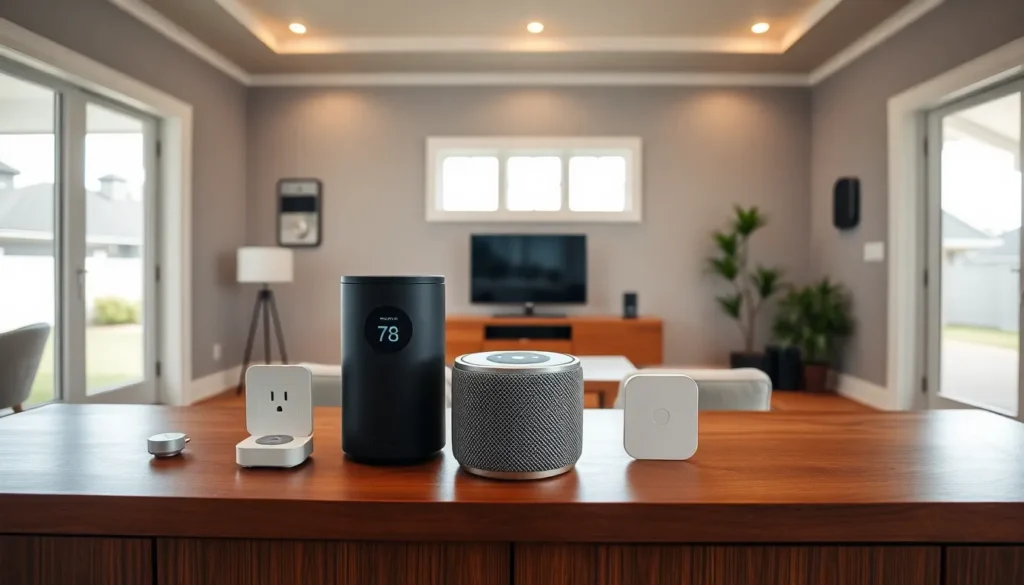
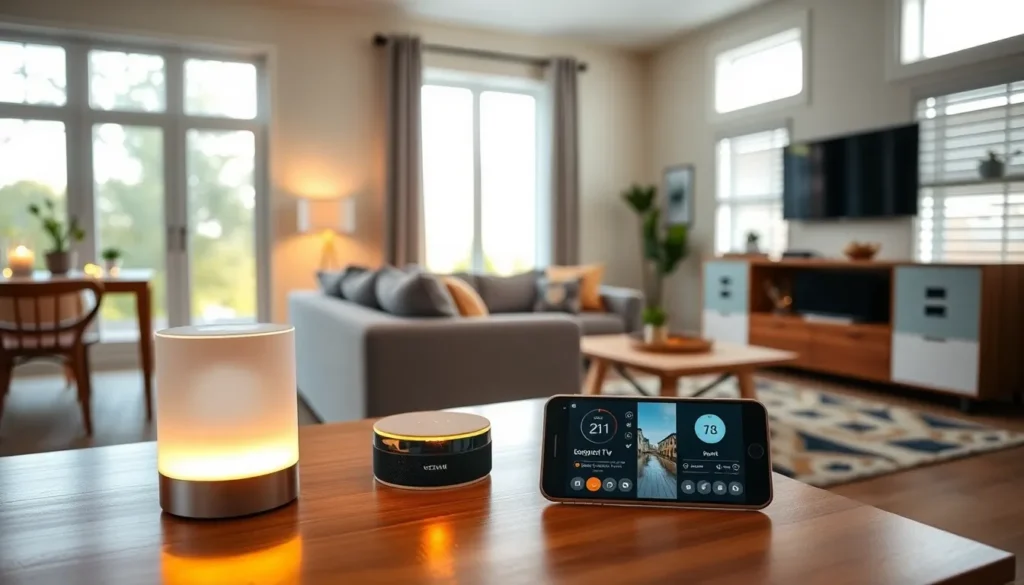
Smart speakers serve as the heart of most connected homes. Amazon Echo and Google Nest devices respond to voice commands and control other gadgets. Smart TVs with built-in streaming apps eliminate the need for extra hardware. Smart lighting systems like Philips Hue let users adjust brightness and color from their phones.
Kitchen
Smart displays combine a screen with voice assistant features. They show recipes, play videos, and manage shopping lists. Smart plugs turn regular coffee makers into automated appliances. Smart refrigerators track expiration dates and suggest recipes based on available ingredients.
Bedroom
Smart bulbs with scheduling features help regulate sleep patterns. Users can program lights to dim gradually at night and brighten in the morning. Smart blinds open and close on a timer or by voice command. Sleep trackers integrated with mattresses monitor rest quality and adjust bed settings.
Bathroom
Smart mirrors display weather, news, and calendar events while someone gets ready. Smart water leak detectors alert homeowners to potential problems before they cause damage. Smart scales sync with health apps to track weight and body composition over time.
Home Office
Smart thermostats keep workspaces comfortable during long hours. Smart power strips prevent phantom energy drain from idle electronics. Video doorbells let remote workers see visitors without leaving their desks.
Outdoor Spaces
Smart security cameras monitor property around the clock. Smart sprinkler systems adjust watering schedules based on weather forecasts. Smart outdoor lighting deters intruders and welcomes guests.
How to Choose the Right Smart Home Ecosystem
Picking an ecosystem matters because smart home tech tools work best when they share a common platform. The three major ecosystems are Amazon Alexa, Google Home, and Apple HomeKit.
Amazon Alexa offers the widest device compatibility. Thousands of products work with Alexa, from budget brands to premium options. Google Home provides strong integration with Android phones and Google services. Apple HomeKit prioritizes privacy and security but supports fewer devices than its competitors.
Before buying any smart home tech tools, buyers should consider which voice assistant they prefer. Someone already using an iPhone might lean toward HomeKit. Android users often find Google Home more convenient. Households with mixed devices may prefer Alexa for its broad compatibility.
The Matter standard, launched in late 2022, promises to bridge these ecosystems. Matter-certified devices work across all major platforms. This development reduces vendor lock-in and gives consumers more flexibility.
Budget also influences ecosystem choice. Amazon frequently offers affordable Echo devices. Apple products typically cost more but deliver tighter security. Google sits in the middle with competitive pricing and solid performance.
Starting small makes sense for beginners. A smart speaker and a few bulbs provide a good foundation. Users can expand their systems gradually as they learn what works for their lifestyle.
Tips for Setting Up and Securing Your Smart Home
Setting up smart home tech tools requires some planning. A strong Wi-Fi network forms the foundation of any connected home. Mesh Wi-Fi systems provide consistent coverage across large spaces and eliminate dead zones.
Users should place their router centrally and keep it away from walls and metal objects. Many smart devices operate on the 2.4 GHz band, which offers better range than 5 GHz. Checking device requirements before purchase prevents compatibility issues.
Security deserves serious attention. Every smart device represents a potential entry point for hackers. Strong, unique passwords protect individual accounts. Two-factor authentication adds another layer of defense.
Firmware updates fix security vulnerabilities. Users should enable automatic updates when available. Older devices that no longer receive updates may need replacement.
Creating a separate Wi-Fi network for smart home tech tools isolates them from computers and phones that contain sensitive data. Most modern routers support guest networks that work well for this purpose.
Privacy settings require review. Many devices collect usage data by default. Users can often limit data sharing through app settings. Reading privacy policies, boring as it sounds, reveals what information companies collect and how they use it.
Labeling devices clearly in apps makes management easier. Generic names like “Smart Plug 1” cause confusion. Specific labels like “Living Room Lamp” or “Kitchen Coffee Maker” simplify voice commands and troubleshooting.