
Table of Contents
ToggleA smart home tech guide helps homeowners understand connected devices, automation systems, and how to build a more efficient living space. Smart home technology has moved from a luxury to a practical choice for millions of households. In 2025, over 60% of U.S. homes have at least one smart device. Whether someone wants to control lighting with their voice, monitor security cameras remotely, or save on energy bills, this guide covers the essentials. The following sections explain what smart home technology is, which devices matter most, how to set everything up, and how to keep the system secure.
Key Takeaways
- Over 60% of U.S. homes now have at least one smart device, making smart home tech a practical choice for everyday convenience and savings.
- Start your smart home journey with 2-3 essential devices like smart thermostats, speakers, or security cameras that solve real problems.
- Choose a single ecosystem (Alexa, Google Home, or Apple HomeKit) to simplify control and avoid compatibility issues.
- Smart thermostats alone can reduce heating and cooling costs by 10-15% annually through automated temperature adjustments.
- Protect your smart home system by using strong unique passwords, enabling two-factor authentication, and keeping device firmware updated.
- Create automations and routines to unlock the full potential of your smart home, such as morning schedules that adjust lights, thermostats, and more.
What Is Smart Home Technology
Smart home technology refers to devices and systems that connect to the internet and can be controlled remotely or automated. These devices communicate through Wi-Fi, Bluetooth, Zigbee, or Z-Wave protocols. Users manage them via smartphone apps, voice assistants, or centralized hubs.
The core idea is simple: everyday appliances become “smart” when they can receive commands, share data, and respond to triggers. A smart thermostat, for example, learns a household’s schedule and adjusts temperatures automatically. A smart lock lets homeowners grant access to guests without physical keys.
Smart home tech falls into several categories:
- Climate control: Thermostats, smart vents, and HVAC monitors
- Lighting: Smart bulbs, switches, and dimmers
- Security: Cameras, doorbells, locks, and motion sensors
- Entertainment: Smart TVs, speakers, and streaming devices
- Appliances: Refrigerators, ovens, washers, and robot vacuums
Voice assistants like Amazon Alexa, Google Assistant, and Apple Siri act as the command center for many smart home setups. They let users control multiple devices with a single phrase. This smart home tech guide will cover how these pieces fit together in later sections.
Essential Smart Home Devices to Consider
Building a smart home starts with choosing the right devices. Not every gadget is necessary, but some offer clear value for convenience, security, and energy savings.
Smart Speakers and Displays
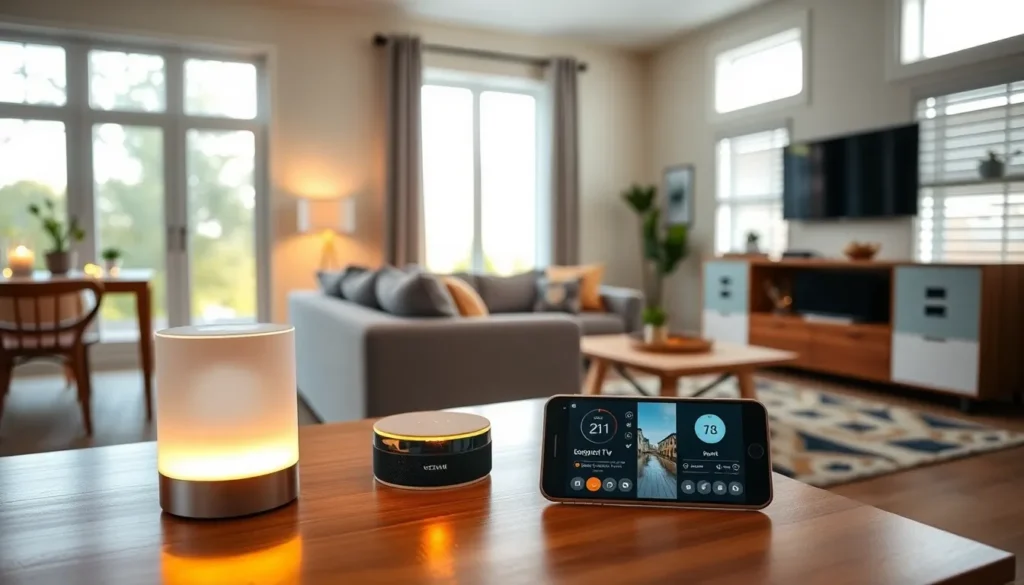
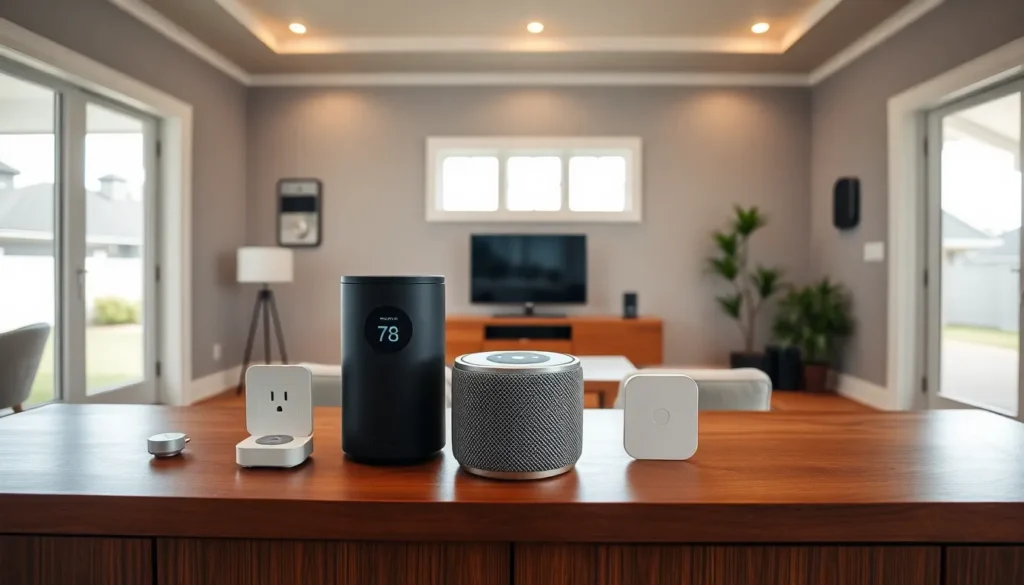
A smart speaker serves as the hub for voice control. Amazon Echo and Google Nest are popular options. Smart displays add a screen for video calls, recipe viewing, and security camera feeds. These devices cost between $30 and $250 depending on features.
Smart Thermostats
Smart thermostats can reduce heating and cooling costs by 10-15% annually. Models like the Nest Learning Thermostat and Ecobee SmartThermostat track usage patterns and adjust settings automatically. They also allow remote control, so users can change temperatures before arriving home.
Smart Lighting
Smart bulbs and switches offer scheduling, dimming, and color options. Philips Hue, LIFX, and Wyze provide affordable choices. Users can set lights to turn on at sunset or flash when the doorbell rings. Motion-activated lighting adds both convenience and security.
Smart Security Devices
Video doorbells like Ring and Nest Hello show who’s at the door through a phone notification. Smart locks from August, Schlage, and Yale allow keyless entry and remote access. Indoor and outdoor cameras provide 24/7 monitoring with cloud or local storage options.
Robot Vacuums and Smart Appliances
Robot vacuums from iRobot, Roborock, and Ecovacs keep floors clean on a schedule. Smart plugs turn regular appliances into connected devices. Smart refrigerators track groceries, while smart washers send alerts when a cycle finishes.
This smart home tech guide recommends starting with two or three devices that solve real problems. Adding more over time keeps costs manageable.
How to Set Up Your Smart Home System
Setting up a smart home system requires planning and some basic technical knowledge. Following these steps ensures a smooth installation.
Step 1: Choose an Ecosystem
Most smart home devices work with Amazon Alexa, Google Home, or Apple HomeKit. Picking one ecosystem simplifies control and reduces compatibility issues. Check device packaging for “Works with” labels before purchasing.
Step 2: Upgrade Your Wi-Fi
Smart devices rely on a stable internet connection. A mesh Wi-Fi system from brands like Eero, Google Nest, or TP-Link covers larger homes and handles multiple devices. Most households need at least 100 Mbps internet speed for smooth performance.
Step 3: Install Devices One at a Time
Rushing the setup leads to confusion. Install one device, connect it to the app, and test it before moving on. Each device typically requires downloading a manufacturer app, creating an account, and following pairing instructions.
Step 4: Create Automations and Routines
Automations make smart homes truly useful. Users can program “Good Morning” routines that turn on lights, read the weather, and adjust the thermostat. Motion sensors can trigger cameras to record or lights to activate. Most smart home apps offer drag-and-drop automation builders.
Step 5: Use a Central Hub (Optional)
For advanced users, a hub like Samsung SmartThings or Hubitat consolidates control of devices from different brands. Hubs also enable more complex automations and local processing without internet dependency.
This smart home tech guide emphasizes patience during setup. Taking time upfront prevents headaches later.
Tips for Maximizing Smart Home Security and Privacy
Connected devices introduce security and privacy risks. Hackers target weak networks and poorly configured devices. These tips help protect a smart home system.
Use Strong, Unique Passwords
Every smart device and account needs a unique, complex password. Password managers like 1Password or Bitwarden store credentials securely. Avoid default passwords that ship with devices.
Enable Two-Factor Authentication
Two-factor authentication (2FA) adds a second layer of protection. Even if someone steals a password, they can’t access the account without a verification code. Enable 2FA on all smart home apps and associated email accounts.
Keep Firmware Updated
Manufacturers release updates that patch security holes. Enable automatic updates when possible. Check for updates manually every few months for devices without auto-update features.
Create a Separate Wi-Fi Network
Many routers allow guest networks. Placing smart devices on a separate network isolates them from computers and phones that hold sensitive data. If a smart device gets compromised, the damage stays contained.
Review Privacy Settings
Smart speakers and cameras often record audio and video. Review app settings to control what data gets stored and shared. Disable features that aren’t needed, like always-on microphones during certain hours.
Buy From Reputable Brands
Cheap, unknown brands may cut corners on security. Established companies have more to lose from breaches and typically invest more in protection. This smart home tech guide recommends sticking with recognized manufacturers.
Security requires ongoing attention. A few proactive steps dramatically reduce risk.