
Table of Contents
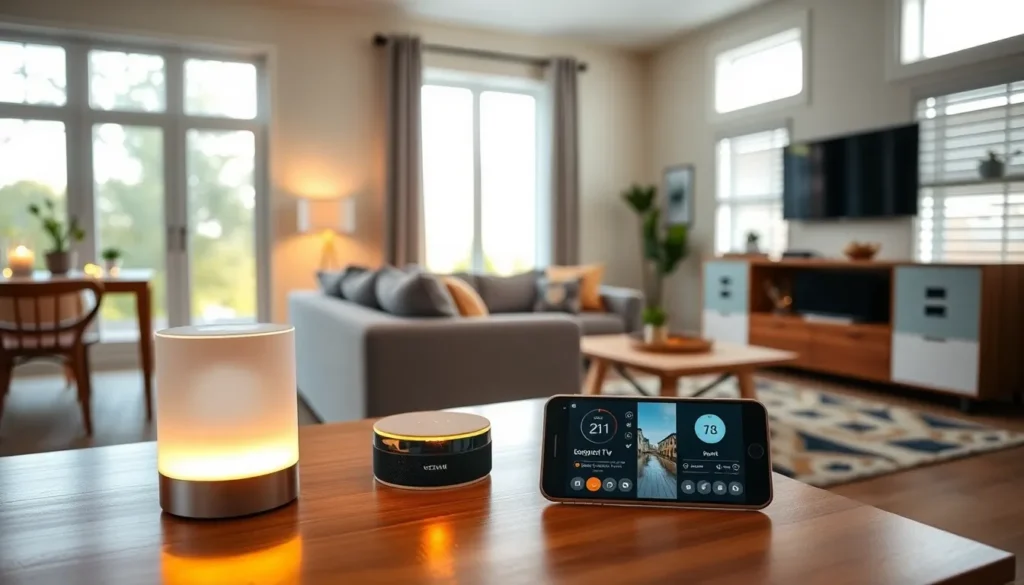
ToggleSmart home tech examples range from voice-activated speakers to automated security cameras, and they’re transforming how people interact with their living spaces. These devices connect through Wi-Fi or Bluetooth, allowing homeowners to control lights, locks, thermostats, and appliances from a smartphone or voice command. The global smart home market is expected to reach $338 billion by 2030, which signals growing consumer demand for convenience, energy efficiency, and security.
This guide covers the most practical smart home tech examples available today. Each category offers real benefits, whether that’s cutting energy bills, improving home security, or simply making daily routines easier. From smart speakers to connected refrigerators, these devices represent the future of home automation.
Key Takeaways
- Smart home tech examples like voice assistants, smart lighting, and thermostats offer practical benefits including energy savings, improved security, and everyday convenience.
- Smart thermostats can reduce heating bills by 10-15% and cooling costs by about 15%, often paying for themselves within two years.
- Smart speakers from Amazon, Google, and Apple serve as central hubs that integrate with thousands of other connected devices through simple voice commands.
- Security-focused smart home tech examples—including video doorbells, smart locks, and AI-powered cameras—provide 24/7 monitoring and remote access from anywhere.
- Smart lighting systems use 75% less energy than traditional bulbs while offering scheduling, motion detection, and vacation modes for added security.
- Connected appliances and cleaning robots automate mundane tasks, freeing up time for homeowners to focus on what matters most.
Smart Speakers and Voice Assistants
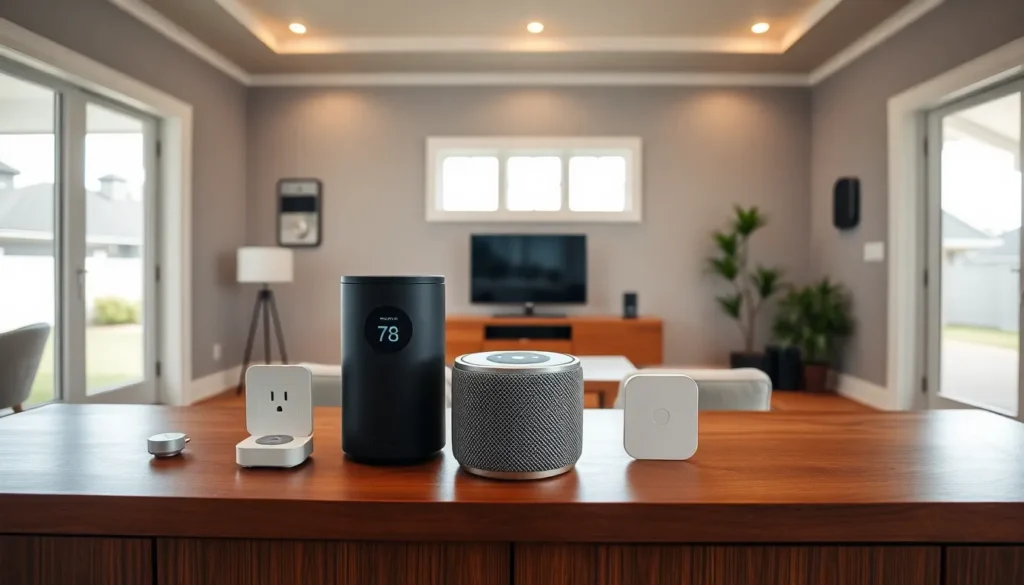
Smart speakers serve as the central hub for many connected homes. Devices like the Amazon Echo, Google Nest Audio, and Apple HomePod respond to voice commands and control other smart home tech examples throughout the house.
These speakers do more than play music. They answer questions, set timers, create shopping lists, and manage calendars. The real power comes from their integration with other devices. A simple phrase like “turn off the living room lights” or “lock the front door” triggers immediate action.
Popular Options
- Amazon Echo (with Alexa): Works with over 100,000 smart home products. Budget-friendly options start around $50.
- Google Nest Audio: Offers excellent sound quality and Google Assistant integration. Strong at answering complex questions.
- Apple HomePod Mini: Best for households already using Apple products. Prioritizes privacy with on-device processing.
Voice assistants learn user preferences over time. They recognize different voices in a household and provide personalized responses. This makes them one of the most versatile smart home tech examples for families.
Smart Lighting Systems
Smart lighting gives homeowners complete control over brightness, color, and scheduling. These systems replace traditional bulbs with Wi-Fi or Bluetooth-enabled alternatives.
Philips Hue remains the market leader, offering bulbs in millions of colors with dimming capabilities. LIFX provides similar features without requiring a separate hub. Wyze bulbs deliver basic smart functionality at budget prices.
Key Benefits
Energy savings stand out as a primary advantage. Smart bulbs use LED technology, consuming 75% less energy than incandescent options. Scheduling features ensure lights turn off when rooms are empty.
Security also improves with smart lighting. Vacation modes simulate occupancy by turning lights on and off at random intervals. Motion-triggered lighting activates when someone approaches the home.
These smart home tech examples integrate seamlessly with voice assistants. Users can adjust lighting without touching a switch or opening an app. Scene settings create preset combinations, “movie mode” might dim living room lights to 20% while turning off kitchen fixtures entirely.
Smart Thermostats and Climate Control
Smart thermostats represent some of the most cost-effective smart home tech examples available. The Nest Learning Thermostat, Ecobee, and Honeywell Home models all pay for themselves through energy savings within two years.
These devices learn household schedules automatically. They lower heating or cooling when residents leave for work and restore comfortable temperatures before they return. The result? Average savings of 10-15% on heating bills and about 15% on cooling costs.
Features Worth Considering
- Geofencing: Uses smartphone location to detect when residents leave or approach home
- Room sensors: Ecobee includes sensors that measure temperature in different rooms, preventing hot or cold spots
- Utility integration: Some models qualify for rebates from energy providers
- Air quality monitoring: Premium options track humidity, CO2 levels, and air pollutants
Remote control via smartphone apps lets homeowners adjust settings from anywhere. Stuck at the office late? Delay the heating schedule. Coming home early? Warm up the house before arrival.
Smart thermostats also provide energy reports showing usage patterns and suggesting improvements. This data helps homeowners make informed decisions about their climate control habits.
Smart Security Devices
Security devices make up a large category of smart home tech examples. Video doorbells, smart locks, and connected cameras give homeowners visibility and control whether they’re home or away.
Video Doorbells
Ring and Google Nest Doorbell lead this category. These devices stream live video to smartphones when someone approaches the door. Two-way audio allows conversations with visitors or delivery drivers. Motion detection sends alerts even when no one rings the bell.
Smart Locks
August, Schlage, and Yale produce locks that eliminate the need for physical keys. Homeowners unlock doors via smartphone, keypad codes, or voice command. Guest access codes can be created and deleted instantly, useful for Airbnb hosts, dog walkers, or house cleaners.
Security Cameras
Indoor and outdoor cameras from brands like Arlo, Wyze, and Blink offer 24/7 monitoring. Cloud storage saves footage for later review. AI-powered detection distinguishes between people, animals, and vehicles, reducing false alerts.
These smart home tech examples work together through automation. When a smart lock detects someone entering, cameras can start recording. When motion sensors activate after midnight, lights can turn on while sending alerts to the homeowner’s phone.
Smart Appliances and Everyday Conveniences
Smart home tech examples extend into kitchens, laundry rooms, and throughout the house. Connected appliances add convenience to daily routines.
Kitchen Devices
Smart refrigerators from Samsung and LG include interior cameras. Homeowners check contents remotely while grocery shopping. Some models suggest recipes based on available ingredients.
Smart ovens preheat via app and send notifications when cooking completes. Coffee makers start brewing before the alarm goes off. Even slow cookers now accept smartphone commands.
Cleaning Robots
iRobot Roomba and Roborock vacuums clean floors on automated schedules. They map home layouts, avoid obstacles, and return to charging stations independently. Premium models empty their own dustbins.
Other Notable Examples
- Smart plugs: Convert any device into a smart device for under $15
- Smart garage door openers: Check status and control doors remotely
- Smart sprinkler systems: Adjust watering based on weather forecasts
- Smart pet feeders: Dispense food on schedule with portion control
These smart home tech examples show how automation handles mundane tasks. The cumulative time savings add up, giving homeowners more freedom for activities they actually enjoy.