Table of Contents
ToggleFinding a rental home can feel overwhelming. Between competing applicants, confusing lease terms, and endless listings, renters often struggle to make confident decisions. The best rental tips help simplify this process and put renters in control.
This guide covers practical strategies for every stage of the rental search. From setting a smart budget to protecting yourself with proper documentation, these tips will help renters avoid common mistakes and secure the right home faster.
Key Takeaways
- The best rental tips start with setting a realistic budget that accounts for utilities, insurance, and move-in costs beyond just rent.
- Research neighborhoods thoroughly by checking crime statistics, testing commute times during rush hour, and evaluating nearby amenities.
- During viewings, test water pressure, check for mold or pests, and visit at different times to get a complete picture of the property.
- Read your lease agreement carefully and watch for red flags like automatic rent increases or vague eviction language.
- Document everything with photos and videos at move-in to protect yourself from being charged for pre-existing damage.
- Keep all landlord communication in writing and understand your state’s tenant protection laws before signing a lease.
Set a Realistic Budget Before You Search
The best rental tips always start with money. A clear budget prevents wasted time on properties that don’t fit financial reality.
Calculate Your True Rental Budget
Most financial experts recommend spending no more than 30% of gross monthly income on rent. But, this rule doesn’t account for everything. Renters should also factor in:
- Utilities (electricity, gas, water, internet)
- Renter’s insurance
- Parking fees or transit costs
- Pet deposits and monthly pet rent
- Move-in costs like security deposits and first/last month’s rent
A $1,500 apartment might actually cost $1,800 per month once all expenses are included. Knowing these numbers upfront helps renters avoid financial stress later.
Build an Emergency Fund First
Before signing any lease, renters should have at least one month’s expenses saved beyond move-in costs. Unexpected repairs, job changes, or medical bills happen. Having a financial cushion makes renting less stressful and gives renters flexibility if their situation changes.
Research Neighborhoods Thoroughly
Location affects daily life more than most renters realize. The best rental tips emphasize neighborhood research as a critical step.
Check Crime Statistics and Safety
Local police departments publish crime data online. Renters can also use tools like CrimeMapping or NeighborhoodScout to compare safety across different areas. Walking through a neighborhood at different times, morning, evening, and weekend, reveals how it actually feels to live there.
Evaluate Commute Times Realistically
Don’t just check the distance to work or school. Test the actual commute during rush hour. A 10-mile drive might take 15 minutes on Sunday but 45 minutes on Monday morning. Public transit schedules matter too, some routes run frequently while others leave renters stranded.
Look Beyond the Apartment
Grocery stores, pharmacies, gyms, and restaurants all affect quality of life. Renters should ask themselves: Can they get what they need without a long drive? Are there parks or outdoor spaces nearby? What about noise from highways, airports, or nightlife districts?
Online reviews of apartment complexes provide valuable insights, but renters should take extreme opinions (both positive and negative) with caution. Patterns matter more than individual complaints.
Know What to Look for During Viewings
Photos don’t tell the whole story. In-person viewings reveal problems that listings hide. These best rental tips help renters spot issues before signing.
Test Everything That Matters
During a viewing, renters should:
- Turn on faucets and flush toilets to check water pressure
- Open and close all windows and doors
- Look under sinks for water damage or mold
- Test electrical outlets with a phone charger
- Check phone signal strength in different rooms
- Look for signs of pests (droppings, holes in walls, dead insects)
Ask the Right Questions
Good questions reveal a lot about a property and landlord:
- How quickly are maintenance requests handled?
- What’s included in the rent?
- Why did the previous tenant leave?
- Are there any planned renovations or rent increases?
- What’s the policy on guests, subletting, or breaking the lease early?
Visit at Different Times
An apartment might seem perfect at 2 PM on a Tuesday. But is it loud at night? Does parking fill up after work hours? A second visit at a different time gives renters a more complete picture of daily life there.
Understand Your Lease Agreement
The lease is a legal contract. Reading it carefully is one of the best rental tips any renter can follow.
Review Key Terms Before Signing
Every lease should clearly state:
- Monthly rent amount and due date
- Lease duration and renewal terms
- Security deposit amount and return conditions
- Late payment fees and grace periods
- Maintenance responsibilities (who handles what repairs)
- Rules about modifications, pets, and guests
If anything seems unclear, renters should ask for clarification in writing before signing.
Watch for Red Flags
Some lease clauses deserve extra attention. Automatic rent increases, vague eviction language, or clauses that waive renter rights could cause problems later. In many states, certain lease provisions are unenforceable even if a renter signs them.
Get Everything in Writing
Verbal promises mean nothing without documentation. If a landlord agrees to fix something before move-in or make an exception to a policy, renters should request that agreement in the lease or in a signed addendum.
Protect Yourself With Documentation
Documentation protects renters from disputes and unexpected charges. These best rental tips help avoid common problems at move-out.
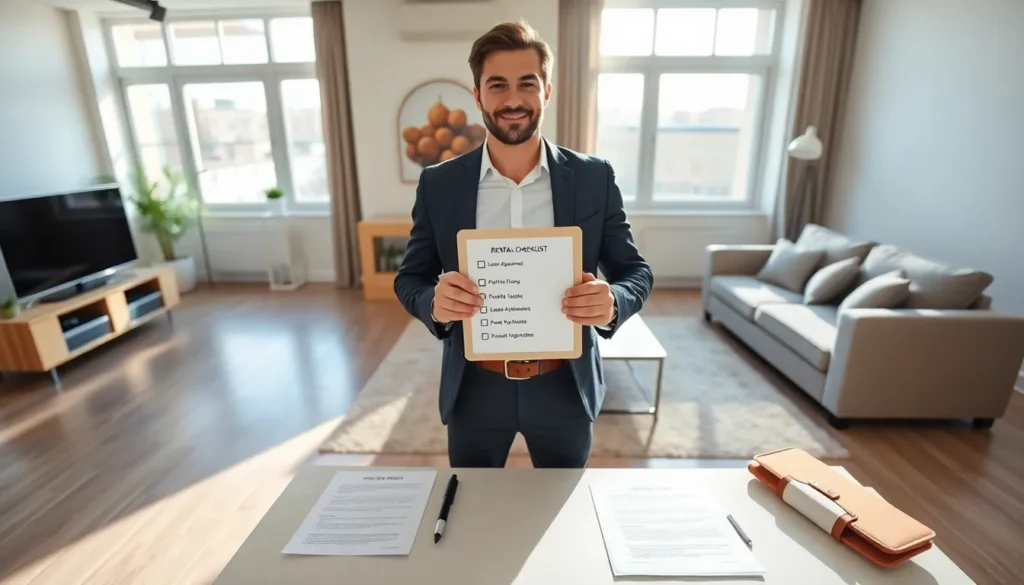
Complete a Move-In Checklist
Before unpacking, renters should document the condition of everything:
- Take photos and videos of every room, including closets and storage areas
- Note existing damage like scratches, stains, holes, or broken fixtures
- Test all appliances and record any issues
- Submit this documentation to the landlord in writing
This record protects renters from being charged for pre-existing damage when the lease ends.
Keep All Communication Records
Email creates a paper trail. Whenever possible, renters should communicate with landlords in writing rather than by phone. Save copies of:
- Maintenance requests and landlord responses
- Rent payment confirmations
- Any notices or policy changes
- Move-in and move-out inspection reports
Know Renter Rights in Your State
Tenant protection laws vary significantly by location. Some states require landlords to return security deposits within 14 days: others allow 60 days. Some cities have rent control: most don’t. Understanding local laws helps renters recognize when their rights are being violated.