Table of Contents
ToggleSmart home tech strategies can transform any house into a seamless, connected living space. Homeowners today have access to devices that control lighting, temperature, security, and entertainment with a simple voice command or phone tap. But without a clear plan, smart home upgrades can become expensive, frustrating, or incompatible with existing systems.
This guide breaks down the essential steps to build a smart home that actually works. From assessing current setups to choosing the right ecosystem, readers will learn how to make informed decisions. They’ll also discover why security matters and how to scale up without wasting money.
Key Takeaways
- Effective smart home tech strategies start with assessing your internet infrastructure, existing devices, and electrical wiring before making any purchases.
- Choose one ecosystem—Amazon Alexa, Google Home, or Apple HomeKit—based on your household’s devices, privacy preferences, and budget.
- Prioritize security by changing default router passwords, enabling WPA3 encryption, and creating a separate network for smart devices.
- Start small with high-impact devices like smart speakers and plugs, then scale to lighting, thermostats, and video doorbells as you gain experience.
- Every smart device addition should solve a specific problem or improve daily life—avoid buying trendy gadgets that won’t get used.
- Plan for future growth by selecting devices that support interoperability standards like Matter for seamless expansion.
Assessing Your Current Home Setup
Before buying any smart devices, homeowners should take inventory of their current home setup. This step saves money and prevents compatibility headaches down the road.
Evaluate Your Internet Infrastructure
Smart home tech strategies depend heavily on a reliable internet connection. Most smart devices require Wi-Fi, and a weak signal means poor performance. Homeowners should test their router’s coverage in every room. Dead zones often occur in basements, garages, or far corners of the house.
A mesh network system can solve coverage issues. These systems use multiple access points to blanket a home in consistent Wi-Fi. For homes over 2,000 square feet, this upgrade often becomes necessary.
Identify Existing Smart Devices
Many homes already contain smart devices that owners forget about. Smart TVs, streaming sticks, and even some refrigerators connect to the internet. Making a list of these devices helps homeowners understand what protocols and ecosystems they’re already tied to.
Check Electrical and Wiring Considerations
Some smart home upgrades require neutral wires in electrical boxes. Older homes built before the 1980s often lack these wires, which limits options for smart switches and dimmers. A quick check of a few switch boxes reveals what’s possible without rewiring.
Homeowners should also note the age of their electrical panel. Smart home tech strategies work best when the home’s electrical infrastructure can handle additional connected devices.
Choosing the Right Smart Home Ecosystem
The smart home market offers three major ecosystems: Amazon Alexa, Google Home, and Apple HomeKit. Each has strengths and limitations. Picking the right one early prevents frustration later.
Amazon Alexa
Alexa works with the widest range of third-party devices. It integrates easily with affordable smart plugs, lights, and thermostats from various manufacturers. For budget-conscious homeowners who want flexibility, Alexa often makes the most sense.
The downside? Amazon’s ecosystem relies heavily on cloud processing, which raises privacy concerns for some users.
Google Home
Google Home excels at understanding natural language and answering complex questions. Its smart home tech strategies appeal to users who already rely on Google services like Gmail, Calendar, and Photos. The ecosystem offers strong integration with Nest devices.
Google’s Assistant handles routines and automations smoothly. But, device compatibility isn’t quite as broad as Alexa’s.
Apple HomeKit
HomeKit provides the tightest privacy controls. Apple processes many commands locally on devices rather than sending data to the cloud. For iPhone users concerned about data security, HomeKit delivers peace of mind.
The tradeoff is fewer compatible devices and higher prices. HomeKit-certified products must meet strict standards, which limits options but ensures quality.
Making the Decision
Homeowners should consider which phones and tablets their household uses. Mixing iOS and Android devices complicates ecosystem choices. They should also think about which voice assistant feels most natural to them.
Prioritizing Security and Privacy
Connected devices create new entry points for hackers. Smart home tech strategies must include strong security practices from day one.
Secure the Network
Every smart home starts with the router. Homeowners should change default passwords immediately after setup. They should also enable WPA3 encryption if their router supports it. WPA2 works as a minimum standard.
Creating a separate guest network for smart devices adds another layer of protection. This approach keeps IoT devices isolated from computers and phones that contain sensitive data.
Update Firmware Regularly
Manufacturers release firmware updates to patch security vulnerabilities. Many homeowners skip these updates or don’t know they exist. Setting devices to auto-update eliminates this risk.
For devices without automatic updates, checking for new firmware every three months keeps systems protected.
Research Before Buying
Not all smart device makers prioritize security. Before purchasing, homeowners should research the manufacturer’s track record. Companies with histories of data breaches or abandoned products deserve scrutiny.
Looking for devices with local processing options reduces reliance on cloud servers. Local control means fewer data transmissions and smaller attack surfaces.
Review Privacy Policies
Smart speakers and cameras collect personal information. Reading privacy policies reveals what data companies collect and how they use it. Some companies sell anonymized data to advertisers, a practice that bothers many users.
Starting Small and Scaling Up
The best smart home tech strategies don’t require massive upfront investments. Starting small lets homeowners learn the technology before committing to expensive installations.
Begin with High-Impact Devices
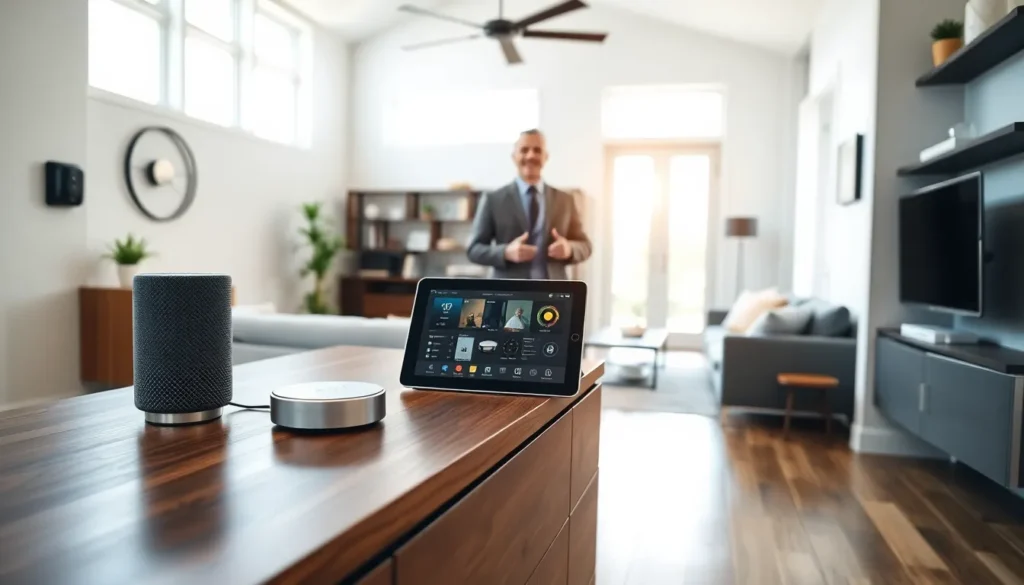
Smart speakers serve as natural starting points. They act as control hubs for future devices and provide immediate value through voice commands, music, and information.
Smart plugs offer another low-cost entry point. They turn existing lamps and appliances into connected devices for under $15 each. Homeowners can test automations and routines without replacing any hardware.
Add Lighting Next
Smart bulbs or switches transform how people interact with their homes. Scheduling lights to turn on at sunset saves energy and improves security. Color-changing bulbs create ambiance for different activities.
Smart switches cost more upfront than bulbs but work with existing fixtures. They also don’t require special bulbs when replacements are needed.
Scale Based on Experience
After mastering basic devices, homeowners can move to larger investments. Smart thermostats reduce energy bills by learning household patterns. Video doorbells improve security and convenience.
Each addition should solve a specific problem or improve daily life. Buying smart devices simply because they’re trendy leads to wasted money and unused gadgets.
Plan for Future Additions
Smart home tech strategies should account for growth. Choosing devices that work together prevents compatibility issues as systems expand. Matter, a new interoperability standard, promises better cross-platform support in coming years.